How I Stay Ahead of Illness—My Real Long-Term Prevention Playbook
Staying healthy isn’t about quick fixes—it’s a daily commitment. For years, I ignored small signs, only to face fatigue and frequent colds. That changed when I shifted focus to long-term prevention. Through simple, science-backed habits, I’ve boosted my energy and resilience. This isn’t medical advice, but a real look at what’s worked for me—so you can build a healthier future, too.
The Wake-Up Call: When Health Slipped Away
For a long time, I believed I was doing fine. I wasn’t sick, at least not seriously. But looking back, the signs were there—constant low-grade exhaustion, trouble sleeping, frequent colds during winter, and a growing sense of being run down. I’d pop vitamin C when I felt a sore throat coming and rely on coffee to power through the afternoon slump. I thought this was just how life was supposed to feel in your thirties and beyond. It wasn’t until a routine checkup revealed borderline high blood pressure and elevated inflammation markers that I realized something had to change.
What surprised me most was that I didn’t have a diagnosis—no chronic illness, no alarming symptoms that demanded immediate action. Yet, my body was sending subtle signals that I had been ignoring for years. I had treated my health reactively, addressing issues only when they became impossible to overlook. That mindset, I learned, was part of the problem. Waiting until illness strikes is like waiting for a house to catch fire before installing smoke detectors. Prevention isn’t about avoiding sickness at all costs; it’s about creating a foundation strong enough to resist it in the first place.
That moment became my turning point. I began researching how small, consistent choices could influence long-term well-being. I discovered that many chronic conditions—heart disease, type 2 diabetes, even certain cancers—develop silently over years, often rooted in lifestyle patterns. This wasn’t about chasing perfection or adopting extreme diets. It was about making sustainable changes that could protect my health decades down the line. I didn’t need a miracle cure. I needed a playbook—one grounded in science, practicality, and real life.
Why Long-Term Prevention Beats Short-Term Fixes
Modern medicine excels at treating acute illness—broken bones, infections, emergencies. But when it comes to chronic disease, the system often waits until problems are advanced before stepping in. The reality is that conditions like hypertension, insulin resistance, and arterial stiffness begin developing years before symptoms appear. By the time someone receives a diagnosis, the body has often been under strain for a long time. Long-term prevention flips this model by focusing on early intervention—addressing imbalances before they become irreversible.
The cost of waiting is high, not just physically but emotionally and financially. Managing a chronic illness often means lifelong medications, frequent doctor visits, and limitations on daily life. A 2022 study published in the journal Preventive Medicine found that individuals who engaged in consistent preventive behaviors—such as regular physical activity, balanced nutrition, and routine screenings—had significantly lower healthcare costs over time compared to those who relied on treatment after diagnosis. Beyond money, there’s the toll on mental well-being: living with illness can bring anxiety, frustration, and a loss of independence.
Science shows that the body responds to consistent input. Cells regenerate, inflammation levels shift, and metabolic pathways adapt based on daily habits. For example, research from Harvard Medical School indicates that even modest improvements in diet and movement can lead to measurable changes in biomarkers like C-reactive protein (a sign of inflammation) within just a few months. These aren’t dramatic overnight transformations, but they are meaningful. The key is consistency—doing a little bit every day adds up to long-term protection. Prevention isn’t a one-time effort; it’s a lifelong investment in your body’s resilience.
Nutrition: Eating for Resilience, Not Just Fullness
I used to think about food primarily in terms of calories and weight. If I wanted to feel healthier, I’d try a short-term diet—cutting carbs, skipping meals, or following the latest trend. None of it lasted. What changed was shifting my mindset from dieting to nourishment. Instead of asking, “Will this help me lose weight?” I began asking, “Will this fuel my body and support long-term health?” This small shift made all the difference.
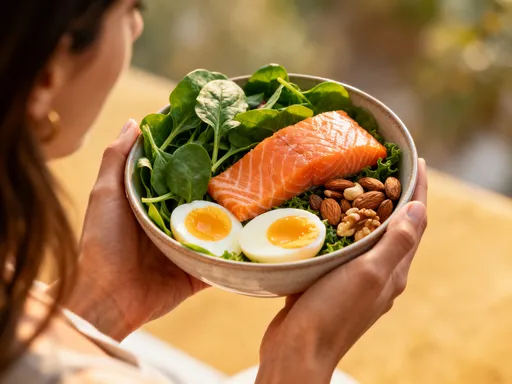
Now, my plate centers around whole, minimally processed foods. I focus on a balance of complex carbohydrates, lean proteins, healthy fats, and plenty of fiber-rich vegetables and fruits. I don’t count macros religiously, but I aim for variety and color. A typical day might include oatmeal with berries and nuts for breakfast, a salad with grilled chicken and olive oil dressing for lunch, and roasted vegetables with salmon or lentils for dinner. Snacks are simple—Greek yogurt, an apple with almond butter, or a handful of walnuts. These choices aren’t restrictive; they’re realistic and satisfying.
One of the most important discoveries I made was the connection between gut health and overall immunity. The gut microbiome—the trillions of bacteria living in the digestive tract—plays a crucial role in regulating inflammation, absorbing nutrients, and even influencing mood. Eating a diverse range of plant-based foods, including fiber-rich legumes, whole grains, and colorful vegetables, helps feed beneficial bacteria. Fermented foods like plain yogurt, sauerkraut, and kefir also support microbial balance. Over time, I noticed fewer digestive issues, more stable energy, and fewer colds—evidence that my internal ecosystem was thriving.
I don’t believe in perfection. There are days when I eat dessert, order takeout, or skip vegetables. But because most of my meals are nutrient-dense, those exceptions don’t derail progress. The goal isn’t a flawless diet but a consistent pattern of choices that build resilience over time. Food isn’t just fuel; it’s information for your cells. When you choose real, whole foods, you’re sending a message of strength and care.
Movement as Medicine: Small Steps That Add Up
I’ll admit it: I never considered myself a “fitness person.” The idea of intense workouts, gym memberships, or strict exercise routines felt overwhelming and unsustainable. But then I reframed movement as something accessible and essential—like brushing my teeth or drinking water. It didn’t have to be hard to be effective. In fact, research shows that regular, moderate activity may be more protective in the long run than sporadic bursts of intense exercise.
My routine is simple. I aim for at least 30 minutes of walking most days, often breaking it into two 15-minute sessions if my schedule is tight. I take walks after meals, park farther away when shopping, and use a standing desk when possible. These small efforts add up. Walking improves circulation, supports joint health, and helps regulate blood sugar. A study from the American Heart Association found that just 150 minutes of brisk walking per week can reduce the risk of heart disease by up to 30%. That’s powerful for something as low-impact as a daily stroll.
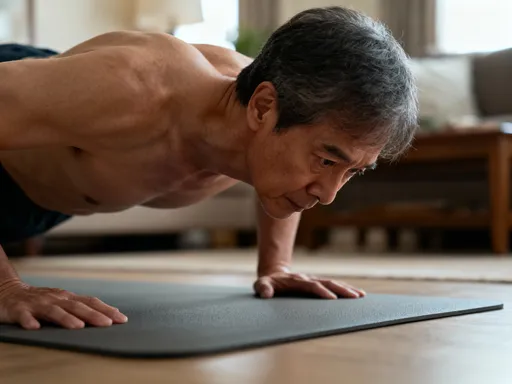
In addition to walking, I incorporate strength and flexibility exercises two to three times a week. I use bodyweight moves like squats, lunges, and wall push-ups, along with resistance bands for added challenge. These help maintain muscle mass, which naturally declines with age and plays a key role in metabolism and mobility. I also do gentle stretching or yoga in the evenings to improve flexibility and ease tension. The goal isn’t to build muscle or burn calories—it’s to stay strong, balanced, and independent as I age.
The real secret to success is consistency. I don’t aim for perfection. Some days I only walk for 10 minutes. Other days I skip exercise entirely. But because I’ve made movement a non-negotiable part of my day—like drinking water or getting fresh air—I rarely go more than a day or two without some form of activity. Over time, this consistency has built a foundation of physical resilience that protects against chronic disease, improves sleep, and boosts mood. Movement isn’t punishment for eating; it’s a gift to your future self.
Sleep and Stress: The Silent Game-Changers
If there’s one area that transformed my health more than any other, it’s sleep. For years, I treated sleep as a luxury—something to get to after everything else was done. I’d stay up late answering emails, watching TV, or scrolling through my phone, then wonder why I felt groggy in the morning. I didn’t realize that poor sleep wasn’t just making me tired—it was increasing my risk for chronic conditions like obesity, diabetes, and cardiovascular disease.
Research from the National Sleep Foundation shows that adults who consistently get less than seven hours of quality sleep per night have higher levels of cortisol, the stress hormone, and increased inflammation. Poor sleep also disrupts insulin sensitivity and weakens immune function, making it harder to fight off infections. Once I understood this, I made sleep a priority. I set a consistent bedtime, even on weekends, and created a wind-down routine: turning off screens an hour before bed, reading a book, and drinking herbal tea like chamomile or passionflower. These small habits signaled to my body that it was time to rest.
Stress was another silent factor I had underestimated. Chronic stress—whether from work, family, or daily responsibilities—can have a profound impact on health. It doesn’t just cause anxiety; it triggers physiological changes that increase blood pressure, suppress immune function, and contribute to weight gain, especially around the abdomen. I began paying attention to my mental load and finding ways to manage it. Deep breathing, journaling, and short mindfulness breaks throughout the day helped me stay centered. I also learned to say no when necessary and set boundaries to protect my time and energy.
These changes didn’t happen overnight. At first, I struggled to quiet my mind at night or resist the urge to check my phone. But over time, better sleep improved my ability to handle stress, and better stress management improved my sleep. They became a positive feedback loop. I didn’t need a meditation retreat or a digital detox—just small, intentional choices that supported my nervous system. When you care for your mind, you care for your body.
Preventive Checks: Staying One Step Ahead
No matter how healthy I feel, I know that some risks can’t be detected without medical insight. That’s why regular checkups and preventive screenings are a non-negotiable part of my health strategy. I work with my healthcare provider to stay on top of blood pressure, cholesterol levels, blood sugar, and other key markers. These tests provide objective data that can reveal trends before symptoms appear.
For example, I have a family history of high cholesterol, so I get lipid panels done annually. When my LDL levels started creeping up, my doctor and I discussed lifestyle adjustments and, when appropriate, medication. This wasn’t a failure—it was early intervention in action. Similarly, I’ve had routine screenings like mammograms and bone density tests based on age and risk factors. These appointments aren’t always comfortable, but they’re empowering. They give me information I can use to make informed decisions.
I also track certain metrics at home. I keep a log of my blood pressure readings, weight trends, and even sleep quality using a simple journal. This helps me spot patterns—like higher blood pressure during stressful weeks or better sleep when I exercise consistently. While home tracking isn’t a substitute for professional evaluation, it gives me a clearer picture of my daily habits and their impact. I share this data with my doctor, which makes our conversations more productive.
The goal isn’t to live in fear of numbers but to use them as tools. Preventive care isn’t about avoiding doctors—it’s about partnering with them. I don’t self-diagnose or ignore medical advice. Instead, I come prepared with questions, observations, and a willingness to act. This proactive approach has helped me catch potential issues early and maintain confidence in my long-term health.
Building a Lifestyle That Lasts: Habits Over Hype
In a world full of quick fixes and trendy wellness fads, it’s easy to feel overwhelmed. Detox teas, miracle supplements, extreme diets—they promise fast results but rarely deliver lasting change. I’ve learned that sustainable health isn’t about chasing the next big thing. It’s about building a lifestyle that fits your real life—one that doesn’t feel like a punishment or a temporary fix.
My approach is based on habit stacking—linking small, manageable actions to existing routines. For example, I pair my morning coffee with 10 minutes of stretching. After dinner, I take a short walk with my family. On weekends, I prep simple meals so healthy eating feels easier during busy weekdays. These habits aren’t flashy, but they’re effective because they’re repeatable. I don’t aim for perfection. If I miss a walk or eat takeout two nights in a row, I don’t spiral into guilt. I simply return to my routine the next day.
I also adjust my habits as life changes. When I traveled more, I focused on hydration and movement during long flights. When my schedule became busier, I prioritized sleep and stress management. Flexibility is key. A rigid plan might work for a few weeks, but a resilient system adapts to real life. Over time, these small choices have become automatic—less about willpower and more about routine.
What I’ve built isn’t a perfect system, but it’s mine. It supports my energy, strengthens my immunity, and gives me peace of mind. I don’t do it because I fear illness. I do it because I value my health and the life I want to live—active, engaged, and vibrant for as long as possible.
True health isn’t about being perfect—it’s about progress. By focusing on long-term prevention, I’ve gained more than energy; I’ve gained peace of mind. These choices aren’t flashy, but they’re powerful. Start where you are, use what you have, and remember: small steps today create a stronger tomorrow. Always consult a healthcare provider to tailor strategies to your needs.