This Is How I’ve Kept Aging at Bay—Honestly, It Works
What if staying youthful wasn’t about quick fixes, but daily choices? After years of trial and error, I’ve learned that long-term anti-aging isn’t magic—it’s consistency. It’s in how we eat, move, sleep, and manage stress. Real results come from habits that stick, not extreme diets or trends. This is my journey with sustainable health maintenance, and what truly made a difference over time. Aging is inevitable, but how we age is largely within our control. The choices made today shape how we feel, look, and function in the years to come. This isn’t about chasing an unrealistic image of youth, but about nurturing long-term well-being with purpose and care.
The Myth of Fast Anti-Aging Solutions
For many years, the promise of quick anti-aging results lured me into trying one product or trend after another. I bought expensive creams that claimed to erase wrinkles in weeks, experimented with detox teas, and cycled through fad diets promising rapid transformation. While some delivered temporary improvements—like smoother skin or slight weight loss—the effects never lasted. I eventually realized that most of these solutions target surface symptoms without addressing the deeper biological processes behind aging. The truth is, no single supplement or skincare product can override the impact of lifestyle on how we age.
Science supports this understanding. Research shows that long-term health and longevity are influenced far more by consistent daily habits than by short-term interventions. The body responds best to gradual, sustainable changes rather than sudden, extreme shifts. When I shifted my focus from seeking instant results to building lasting routines, everything changed. Instead of asking, “What can I do to look younger tomorrow?” I began asking, “What can I do today that will support my health five or ten years from now?” This subtle but powerful shift in mindset laid the foundation for real, lasting change.
The idea of “reversing” aging is often exaggerated in marketing and media. While certain cosmetic treatments may improve appearance temporarily, true anti-aging is about slowing down cellular decline. Factors like oxidative stress, chronic inflammation, and hormonal imbalances play major roles in how quickly we age. These are influenced by sleep quality, physical activity, nutrition, and emotional well-being—not by miracle serums. Recognizing this helped me let go of the pursuit of perfection and embrace a more realistic, science-based approach to healthy aging.
Nutrition: Eating for Longevity, Not Just Weight
One of the most impactful changes I made was redefining my relationship with food. In the past, I approached eating primarily as a way to manage weight—restricting calories, eliminating entire food groups, or labeling foods as “good” or “bad.” Over time, this led to fatigue, irritability, and even nutrient deficiencies. I came to understand that food is not just fuel; it’s information for our cells. What we eat directly influences gene expression, inflammation levels, and cellular repair—all key factors in the aging process.
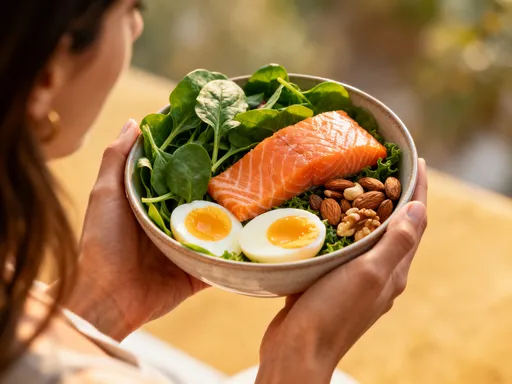
Now, my meals are centered around whole, unprocessed foods that provide sustained energy and long-term benefits. I prioritize leafy greens like spinach and kale, which are rich in antioxidants and support detoxification. Whole grains such as oats and quinoa offer fiber and stable blood sugar levels, reducing the risk of metabolic decline. Healthy fats from avocados, olive oil, and nuts nourish the brain and support hormone production. I also include plant-based proteins like lentils and chickpeas, which are easier on the digestive system and linked to lower rates of chronic disease.
I no longer follow rigid diets or count every calorie. Instead, I practice mindful eating—paying attention to hunger cues, savoring each bite, and stopping when I’m comfortably full. This approach has not only improved my digestion but also enhanced my skin clarity and mental focus. Studies show that diets rich in phytonutrients—found in colorful fruits and vegetables—help protect against oxidative damage, a major contributor to aging. By focusing on nutrient density rather than restriction, I’ve created an eating pattern that feels sustainable and deeply supportive of my overall health.
Movement as a Daily Non-Negotiable
If there’s one habit I credit most for maintaining my vitality, it’s daily movement. I used to think exercise was only for weight control or building muscle, but I’ve come to see it as one of the most powerful anti-aging tools available. Physical activity influences nearly every system in the body—from cardiovascular health to brain function. As we age, muscle mass naturally decreases, a process called sarcopenia, which can lead to weakness, poor balance, and reduced metabolism. But research confirms that regular strength training can slow, and even reverse, this decline.
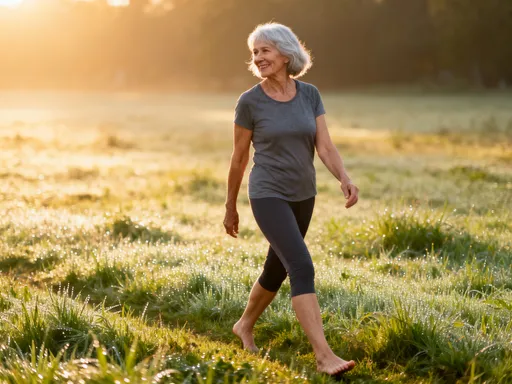
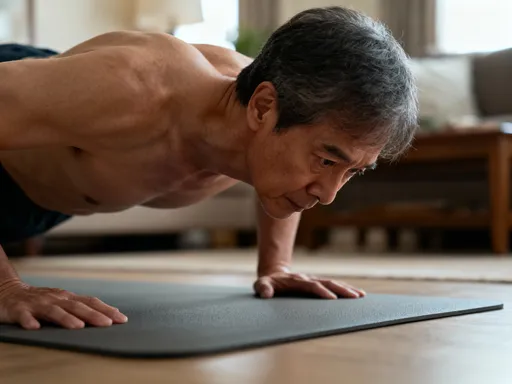
My routine includes a mix of walking, resistance exercises, and flexibility work. I aim for at least 30 minutes of brisk walking most days, which supports heart health and improves circulation. Two to three times a week, I do bodyweight exercises like squats, lunges, and push-ups, sometimes using light dumbbells. These sessions help preserve muscle mass and support bone density, reducing the risk of fractures. I also incorporate stretching or gentle yoga to maintain joint mobility and prevent stiffness—something that becomes increasingly important with age.
The benefits have been profound. Over time, I’ve noticed improved posture, greater stamina, and more confidence in my physical abilities. Simple tasks like climbing stairs or carrying groceries feel easier. Beyond the physical, movement boosts my mood and mental clarity. Exercise increases the production of endorphins and brain-derived neurotrophic factor (BDNF), a protein that supports neuron growth and cognitive function. Making movement a non-negotiable part of my day hasn’t just kept me physically strong—it’s helped me feel more alive and engaged in life.
Sleep: The Silent Rejuvenator
For years, I underestimated the role of sleep in healthy aging. I often stayed up late, sacrificed rest for productivity, and didn’t think much about sleep quality. It wasn’t until I experienced persistent fatigue, brain fog, and dull skin that I realized how much damage poor sleep was doing. Chronic sleep deprivation accelerates aging at the cellular level. During deep sleep, the body repairs tissues, balances hormones, and clears out toxins from the brain. Without sufficient rest, these processes are disrupted, leading to increased inflammation and oxidative stress—both linked to premature aging.
I decided to prioritize sleep hygiene, making small but meaningful changes to my evening routine. I set a consistent bedtime and wake-up time, even on weekends, to regulate my internal clock. I stopped using electronic devices at least an hour before bed, since blue light suppresses melatonin, the hormone that signals sleep. Instead, I read a book, practiced gentle stretching, or wrote in a journal. I also made my bedroom a sleep sanctuary—cool, dark, and quiet—with comfortable bedding that invites rest.
The difference has been remarkable. Within weeks, I noticed improvements in my energy, mood, and concentration. My skin looked brighter, likely because sleep supports collagen production and skin barrier function. Studies show that people who get seven to nine hours of quality sleep per night have longer telomeres—the protective caps on the ends of chromosomes that shorten with age. By treating sleep not as a luxury but as a pillar of health, I’ve given my body the time it needs to regenerate and restore itself every night.
Stress Management: Calming the Internal Clock
One of the most surprising discoveries in aging research is the link between chronic stress and biological aging. Stress doesn’t just make us feel overwhelmed—it can actually shorten our telomeres, speeding up the aging process at a cellular level. For years, I lived in a constant state of low-grade stress, juggling family, work, and household responsibilities without taking time to decompress. I didn’t realize how much this was taking a toll on my body until I began paying attention to subtle signs: tension headaches, trouble sleeping, and frequent colds.
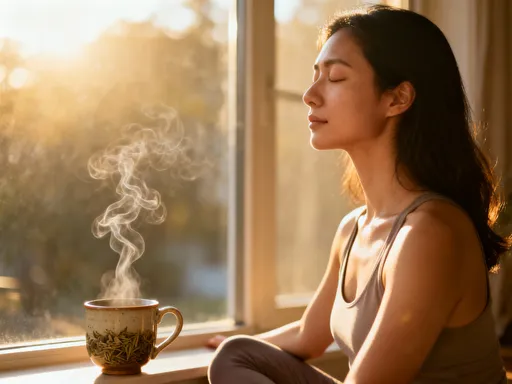
I knew I needed to find ways to manage stress that fit into my real life—not just occasional spa days, but daily practices I could rely on. I started with simple breathing exercises, such as diaphragmatic breathing and the 4-7-8 technique, which help activate the parasympathetic nervous system and reduce stress hormones like cortisol. I also began journaling each morning, writing down my thoughts and intentions. This practice helps me process emotions, gain clarity, and start the day with a sense of calm.
Spending time in nature has also become a key part of my stress management routine. Whether it’s a walk in the park, gardening, or sitting by a lake, being outdoors helps me feel grounded and present. Research shows that exposure to green spaces lowers cortisol levels and improves mood. These practices don’t require a lot of time or effort, but their cumulative effect is powerful. By calming my nervous system on a regular basis, I’ve created a more resilient internal environment—one that supports longevity rather than accelerating decline.
Hydration and Skin Health from Within
Of all the anti-aging strategies I’ve adopted, hydration is the simplest—and one of the most overlooked. Water is essential for every bodily function, yet many of us go through the day mildly dehydrated without realizing it. I used to drink coffee and tea throughout the morning but often didn’t have water until lunchtime. Over time, I noticed my skin felt dry, my energy dipped in the afternoon, and my digestion slowed. Once I made a conscious effort to drink water consistently, these issues began to improve.
I now aim to drink at least eight glasses of water daily, starting with a glass first thing in the morning. I keep a reusable bottle with me as a visual reminder. Proper hydration supports skin elasticity by maintaining moisture levels in the dermis. It also aids in detoxification, helping the kidneys flush out waste and reducing the burden on the liver. While topical moisturizers can help, true skin health begins from within. Dehydration can make fine lines more noticeable and contribute to a dull complexion, so staying hydrated is one of the most effective ways to maintain a healthy glow.
In addition to drinking water, I support my skin with gentle care and sun protection. I use fragrance-free cleansers and moisturizers suitable for sensitive skin, avoiding harsh chemicals that can disrupt the skin barrier. Most importantly, I wear sunscreen every day, even when it’s cloudy. UV radiation is one of the leading causes of premature skin aging, contributing to wrinkles, sunspots, and loss of firmness. By combining internal hydration with external protection, I care for my skin as the vital organ it is—not just for appearance, but for long-term health.
Building Habits That Last: The Real Secret
Looking back on my journey, the most important lesson I’ve learned is that anti-aging is not a destination—it’s a way of living. There is no single magic solution, no final milestone to reach. Instead, it’s the accumulation of small, consistent actions over time that creates lasting change. I used to get frustrated when I didn’t see immediate results, but now I understand that health is a long-term investment. The choices I make today may not transform me overnight, but they build a foundation for how I will feel and function in the years ahead.
The key to success has been designing habits that are realistic and sustainable. I don’t aim for perfection—I aim for progress. If I miss a workout, I don’t berate myself; I simply return to my routine the next day. If I eat something indulgent, I enjoy it without guilt and return to nourishing choices at the next meal. This compassionate, flexible approach has made it easier to stick with healthy habits over the long term. Research shows that people who adopt self-compassion in their health journey are more likely to maintain positive behaviors and experience greater well-being.
I’ve also learned to align my habits with my values. When I view healthy eating, movement, sleep, and stress management not as chores, but as acts of self-respect and self-care, they become more meaningful. I’m not doing this to meet society’s standards of beauty—I’m doing it to feel strong, energized, and present in my life. I want to be active with my grandchildren, travel without fatigue, and enjoy each day with clarity and joy. These personal motivations keep me committed, even on days when motivation is low.
In the end, the secret to slowing aging isn’t found in a bottle or a quick fix. It’s in the daily choices we make—the meals we prepare, the walks we take, the way we breathe when stressed, the way we treat ourselves with kindness. These habits may seem small on their own, but together, they form a powerful shield against the effects of time. By showing up for myself every day, in simple but meaningful ways, I’ve discovered that aging doesn’t have to mean decline. It can mean growth, wisdom, and vitality—lived fully, one choice at a time.