What I Learned About Preventing Hair Loss Through Real Food Changes
Hair shedding more than usual? You're not alone. Millions face thinning hair, often linked to diet and lifestyle. I dug into the science and made simple, sustainable changes to my eating habits—no magic pills, just real food. In this article, I’ll walk you through the dietary principles that helped me regain healthier hair, backed by research and personal experience. It’s not about quick fixes, but building a system that works from the inside out.
The Hair Loss Wake-Up Call
Many women begin noticing more hair on their brushes, in the shower drain, or clinging to their pillows. At first, it might seem like a seasonal change or stress-related. But when the shedding persists and the hairline starts to recede or the scalp becomes more visible, concern grows. Hair thinning is not just a cosmetic issue—it can deeply affect self-confidence and emotional well-being. For many, it triggers a sense of aging prematurely or losing control over their appearance.
What’s often overlooked is that hair is a reflection of internal health. While genetics and hormones play a role, they are not the whole story. Hair follicles are highly sensitive to nutritional status, inflammation levels, and overall metabolic balance. When the body is under stress—whether from poor nutrition, chronic inflammation, or hormonal shifts—it may prioritize vital functions over hair growth, leading to thinning or shedding.
This realization was my wake-up call. I had tried expensive shampoos, serums, and even a laser cap, but results were minimal. It wasn’t until I shifted focus from the outside in—toward what I was eating—that I began to see real change. Hair health isn’t determined by the latest scalp treatment; it’s built daily, bite by bite, through consistent nourishment.
The journey isn’t about perfection. It’s about creating a foundation that supports the body’s natural ability to grow strong, resilient hair. This shift in mindset—from chasing solutions to building systems—is what ultimately made the difference.
Why Diet Matters More Than You Think
Scientific research consistently shows that nutrient deficiencies are closely linked to hair loss. The hair growth cycle—comprising the anagen (growth), catagen (transition), and telogen (resting) phases—depends on a steady supply of essential vitamins and minerals. When key nutrients are lacking, the cycle can become disrupted, leading to premature shedding or stalled regrowth.
Iron deficiency, for example, is one of the most common nutritional causes of hair thinning, especially among women. Iron helps red blood cells carry oxygen to hair follicles, fueling their activity. Low ferritin levels—indicating stored iron—are frequently found in individuals experiencing hair loss, even when blood counts appear normal. Studies suggest that restoring iron levels can support regrowth, particularly in those with documented deficiency.
Zinc is another critical player. It supports DNA and protein synthesis, both essential for hair follicle development. A deficiency can lead to hair shedding and even scalp inflammation. Similarly, vitamin D receptors are present in hair follicles, and research indicates that low levels are associated with alopecia areata and telogen effluvium. Biotin, often marketed in supplements, plays a role in keratin production, though deficiency is rare—most benefit only if truly deficient.
Think of hair growth like growing a garden. No matter how much you water the leaves, if the soil lacks nutrients, the plants won’t thrive. Topical treatments may improve the surface, but without internal nourishment, results are limited. The scalp is not isolated from the rest of the body—it’s an extension of your overall health. Therefore, the most effective strategy starts with what you put on your plate.
Moreover, the body prioritizes vital organs over hair when nutrients are scarce. This means that even mild deficiencies—ones that don’t cause obvious symptoms—can still impact hair. That’s why a balanced, nutrient-dense diet isn’t just supportive; it’s foundational.
Building a Hair-Healthy Eating Foundation
Creating a diet that supports hair health begins with whole, minimally processed foods. The goal is not to follow a restrictive plan but to build a sustainable eating pattern rich in bioavailable nutrients. This means choosing foods in their natural state—vegetables, fruits, lean proteins, whole grains, nuts, and seeds—over packaged or refined options.
Protein is the cornerstone. Hair is primarily made of keratin, a structural protein, so adequate dietary protein is essential. Without enough amino acids, the body cannot produce keratin efficiently. Including a source of protein at every meal—such as eggs, poultry, fish, legumes, or Greek yogurt—helps maintain a steady supply. For women over 40, protein needs may increase slightly due to natural muscle loss, making it even more important for overall vitality, including hair.
Equally important is balance. Carbohydrates provide energy for metabolic processes, including hair growth, but the type matters. Opt for complex carbs like sweet potatoes, oats, and quinoa, which release glucose slowly and support stable insulin levels. High insulin spikes, often caused by refined sugars and processed grains, can contribute to inflammation, which may negatively affect hair follicles.
Fats are not the enemy—far from it. Healthy fats, particularly omega-3 fatty acids, support scalp hydration and reduce inflammation. They also help absorb fat-soluble vitamins like A, D, E, and K, all of which play roles in skin and hair health. Avocados, olive oil, and fatty fish are excellent sources.
One of the most powerful concepts in nutritional science is food synergy—the idea that nutrients work better together in whole foods than in isolation. For example, vitamin C enhances the absorption of plant-based iron (non-heme iron), so pairing spinach with lemon juice or bell peppers boosts its effectiveness. Similarly, fat helps absorb carotenoids from carrots and lycopene from tomatoes. This synergy is lost in supplements, which is why real food remains superior.
Consistency matters more than perfection. Eating well most of the time—around 80% of meals—creates a supportive environment for hair growth. Occasional treats don’t derail progress, but daily patterns shape long-term outcomes.
Foods That Fuel Stronger Hair Growth
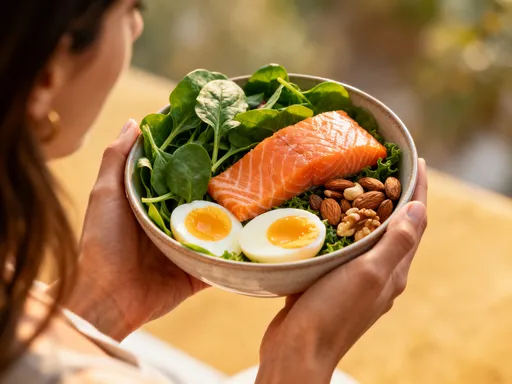
Certain foods stand out for their hair-supporting nutrients. Incorporating them regularly can make a meaningful difference. Leafy greens like spinach, kale, and Swiss chard are rich in iron, folate, and vitamin A—all vital for cell turnover and sebum production. However, vitamin A should be consumed in balance, as excess can contribute to hair loss. Cooking greens lightly increases nutrient availability while preserving their benefits.
Fatty fish such as salmon, mackerel, and sardines are excellent sources of omega-3 fatty acids, high-quality protein, and vitamin D. Omega-3s help reduce inflammation in the scalp and support the hair growth phase. Studies have shown that omega-3 supplementation can increase hair density, and while whole food sources are preferred, the dietary intake from fish is highly effective.
Eggs are a powerhouse. They provide biotin, protein, selenium, and B vitamins, all in one affordable, versatile food. The yolk contains most of the nutrients, so avoid discarding it unless advised for medical reasons. Eggs also contain lutein and zeaxanthin, antioxidants that may protect hair from oxidative stress.
Nuts and seeds, particularly pumpkin seeds, sunflower seeds, and almonds, offer zinc, vitamin E, and healthy fats. Zinc supports the hair growth and repair cycle, and deficiency is linked to telogen effluvium. Vitamin E is a potent antioxidant that protects scalp cells from damage. A small handful daily provides these benefits without excess calories.
Legumes like lentils, chickpeas, and black beans are rich in plant-based protein, iron, and zinc. They are especially valuable for vegetarians and those reducing meat intake. Pairing them with vitamin C-rich foods—like tomatoes or citrus—enhances iron absorption. Beans also provide fiber, which supports gut health, increasingly recognized as a factor in nutrient absorption and inflammation control.
Berries, citrus fruits, and bell peppers are excellent sources of vitamin C, which not only aids iron absorption but also supports collagen production—a structural protein in hair. Sweet potatoes and carrots provide beta-carotene, which the body converts to vitamin A in controlled amounts, supporting scalp health without risk of toxicity.
There’s no single “hair superfood,” but a varied, colorful plate ensures a broad spectrum of nutrients. The key is regular inclusion, not occasional consumption. Small habits—like adding seeds to oatmeal, snacking on nuts, or including fish twice a week—compound over time.
What to Reduce or Avoid for Better Scalp Health
Just as important as what you add to your diet is what you reduce. Ultra-processed foods—packaged snacks, sugary cereals, fast food, and frozen meals—often lack essential nutrients while contributing to inflammation and blood sugar imbalances. These foods are typically high in refined carbohydrates, unhealthy fats, and added sugars, all of which can negatively impact hair health.
High sugar intake leads to rapid insulin spikes, which over time can contribute to insulin resistance. This metabolic state is linked to increased androgen activity, which may shrink hair follicles in sensitive individuals. While more research is needed, many women report improved hair texture and reduced shedding when they lower sugar consumption.
Excessive dairy intake is another area to consider. While dairy provides protein and calcium, some individuals may experience inflammation or hormonal fluctuations from cow’s milk, particularly if it contains added hormones. There’s no universal rule—some tolerate dairy well, while others notice improvements in skin and hair when reducing or eliminating it. If concerned, try a short elimination period and observe changes.
Saturated fats, especially from processed meats and fried foods, can promote systemic inflammation. Chronic inflammation is increasingly recognized as a contributor to hair follicle miniaturization. Replacing these with unsaturated fats—like those in olive oil, nuts, and fish—supports a healthier internal environment.
Crash diets and extreme restrictions can backfire. Very low-calorie or low-protein diets often lead to temporary hair shedding, known as telogen effluvium, because the body interprets the restriction as stress. Similarly, eliminating entire food groups without replacement can create nutrient gaps. The goal is nourishment, not deprivation.
Instead of strict elimination, focus on gradual improvement. Swap soda for sparkling water with lemon. Choose whole grain bread over white. Replace fried snacks with roasted chickpeas or yogurt with berries. These small shifts are sustainable and more likely to become lasting habits.
Hydration also plays a role. Water supports nutrient transport and cellular function, including in hair follicles. While dehydration won’t directly cause hair loss, it can contribute to dryness and brittleness. Aim for consistent fluid intake throughout the day, primarily from water and herbal teas.
Putting It All Together: A Sustainable Daily System
Success isn’t about a single perfect meal—it’s about consistent patterns. A sustainable eating system supports hair health without feeling restrictive. Here’s an example of a balanced daily routine based on real food principles:
Breakfast might include scrambled eggs with spinach and tomatoes, providing protein, iron, and vitamin C. Add a slice of whole grain toast with avocado for healthy fats. A mid-morning snack could be Greek yogurt with a sprinkle of chia seeds and blueberries—offering protein, omega-3s, and antioxidants.
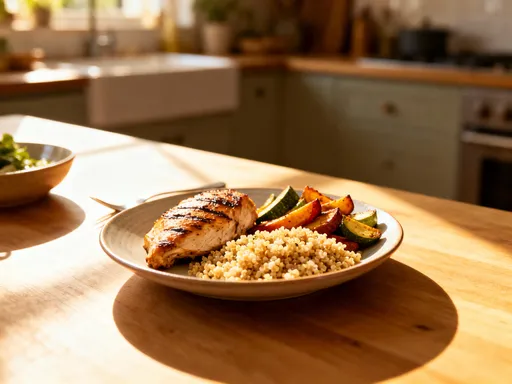
Lunch could feature a quinoa bowl with grilled salmon, roasted sweet potatoes, kale, and a lemon-tahini dressing. This meal delivers omega-3s, complex carbs, iron, and vitamin E. The lemon enhances iron absorption, while the tahini adds healthy fats and calcium.
An afternoon snack might be a small handful of almonds and an orange—combining zinc, vitamin E, and vitamin C. Dinner could include lentil stew with carrots and bell peppers, served with a side of brown rice. This plant-based meal offers protein, fiber, beta-carotene, and iron, especially effective when paired with the vitamin C from peppers.
Meal prep can simplify this approach. Cooking grains and proteins in batches, washing and chopping vegetables ahead of time, and keeping healthy snacks visible all reduce decision fatigue. Planning a weekly menu helps ensure variety and prevents reliance on convenience foods.
Grocery shopping with a list focused on the perimeter of the store—where fresh produce, meats, and dairy are located—helps avoid processed center aisles. Reading labels can reveal hidden sugars and unhealthy fats, even in foods marketed as healthy.
Mindful eating also supports long-term success. Slowing down, chewing thoroughly, and paying attention to hunger and fullness cues improve digestion and nutrient absorption. Stress affects gut health, which in turn influences how well the body uses nutrients. Creating a calm eating environment—free from screens or distractions—can enhance the entire digestive process.
This system isn’t about rigid rules. It’s about building a relationship with food that honors both enjoyment and nourishment. Over weeks and months, these choices create an internal environment where hair can thrive.
When to Seek Professional Help
While diet plays a powerful role, it’s not a cure-all. Hair loss can stem from medical conditions that require professional evaluation. Thyroid disorders, particularly hypothyroidism, are a common cause of hair thinning and shedding. The thyroid regulates metabolism, and when it’s underactive, hair growth cycles can slow down.
Hormonal imbalances, such as those related to polycystic ovary syndrome (PCOS) or menopause, can also contribute. Androgenic alopecia, a hereditary form of hair loss, involves sensitivity to hormones like dihydrotestosterone (DHT). While nutrition can support overall health, it may not fully reverse genetic patterns.
Other factors include certain medications, autoimmune conditions, and scalp infections. Rapid or patchy hair loss should always prompt a visit to a healthcare provider. Blood tests can identify deficiencies in iron, vitamin D, zinc, or thyroid hormones, guiding targeted interventions.
A registered dietitian can help tailor a nutrition plan based on individual needs, especially if dietary restrictions or health conditions are present. A dermatologist can assess scalp health and recommend evidence-based treatments when necessary. Combining professional guidance with dietary improvements offers the best chance for meaningful results.
It’s important to manage expectations. Hair growth is slow—about half an inch per month. Changes from diet may take three to six months to become visible, as the hair cycle adjusts. Patience and consistency are key. The goal isn’t instant transformation but gradual, lasting improvement.
Nutrition is one piece of a holistic approach. Sleep, stress management, and overall wellness all influence hair health. Treating the body with care in every way creates the best foundation for strong, vibrant hair.
Preventing hair loss isn’t about chasing trends or miracle cures—it’s about creating a nourishing internal environment through smart, sustainable food choices. By adopting a systematic, diet-first mindset, you empower your body to support healthy hair naturally. The journey takes patience, but the results are worth it. This isn’t just about looking better—it’s about feeling stronger from the inside out.