Lost in the Magic of Nizwa’s Hidden Courtyards and Coffee Shops
Stepping into Nizwa, Oman, feels like flipping open the pages of a living history book—where ancient stone walls whisper stories and slow afternoons stretch under golden sunlight. I came looking for leisure, but found soul. From shaded souq alleys to mountain-view cafés, Nizwa’s charm isn’t just in its landmarks—it’s in the quiet moments between them. This is travel that slows your breath and sharpens your senses. More than a destination, Nizwa invites you into a rhythm of life where time bends gently, and every corner offers space to pause, reflect, and simply be. It is not a place you conquer, but one that quietly embraces you.
First Impressions: Arriving in Nizwa – A City That Moves at Its Own Pace
The journey to Nizwa begins long before you reach the city gates. As the highway winds eastward from Muscat, the jagged coastline gives way to arid highlands, and the urban pulse fades into a landscape of terracotta mountains and scattered date groves. By the time you enter Nizwa, the transition is complete: this is a city that measures time not in minutes, but in sunrises, prayer calls, and the slow drip of coffee from a dallah. The air carries warmth—not just from the sun, but from the baked earth and stone that defines the region’s architecture. The scent of frankincense lingers near roadside stalls, mingling with the sweetness of ripe dates and the earthy aroma of goat leather from the souq.
What strikes visitors most is the absence of urgency. There are no blaring horns, no crowds rushing to destinations. Instead, life unfolds at a pace that feels both ancient and deeply restorative. Men in traditional dishdashas walk leisurely through the market, stopping to greet one another with handshakes and warm smiles. Children play near fountains in the shade of palm trees, their laughter echoing softly against stone walls. This unhurried rhythm is not inefficiency—it is intention. Nizwa operates on a different understanding of time, one rooted in community, tradition, and presence. For travelers accustomed to packed itineraries and constant movement, this shift can feel disorienting at first. But within hours, it becomes a relief—a permission slip to slow down.
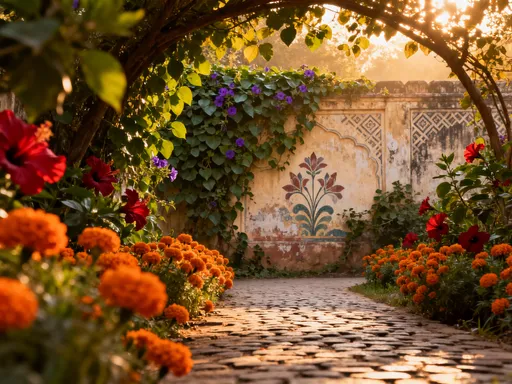
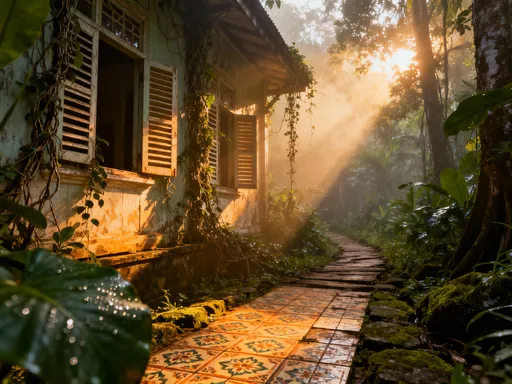
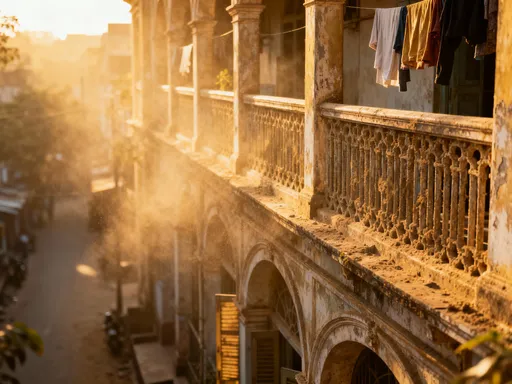
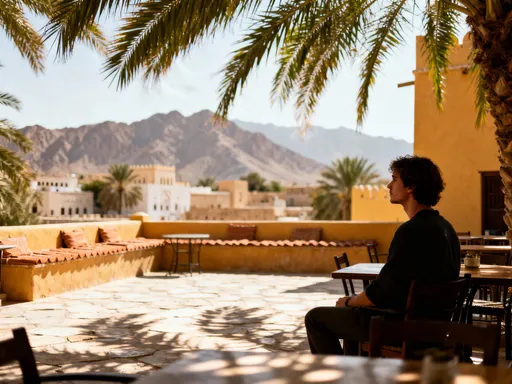
The city’s layout reinforces this sense of calm. Narrow lanes branch off from the main road, leading to quiet courtyards, family homes with intricately carved wooden doors, and small mosques with turquoise domes. Sunlight filters through palm fronds, casting dappled shadows on the ground. Even at midday, when the heat rises from the stone, there is a stillness that encourages introspection. This is not a city built for speed. It is built for moments—moments of connection, of observation, of quiet joy. Arriving in Nizwa is less about reaching a destination and more about stepping into a different state of mind, one where leisure is not an activity, but a way of being.
Nizwa Fort: More Than a Monument – A Gateway to Stillness
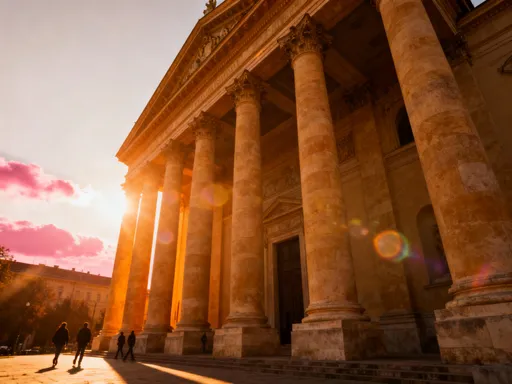
Rising from the heart of the city like a sentinel of time, Nizwa Fort is more than Oman’s most iconic historical site—it is a sanctuary for the modern traveler seeking stillness. Built in the 17th century under the reign of Imam Sultan bin Saif, the fort stands as a masterpiece of Islamic military architecture, with its massive cylindrical tower and labyrinth of underground passages. But beyond its historical significance, the fort offers something increasingly rare in today’s world: uninterrupted silence. Walking through its thick stone corridors, where the temperature drops and the outside world fades, feels like stepping into a meditation chamber carved from history.
Visitors are free to explore at their own pace, climbing narrow spiral staircases that lead to shaded chambers and rooftop lookouts. Each turn reveals a new perspective—of the city below, the surrounding mountains, or the quiet courtyard where pigeons coo in the shade. There are no loudspeakers, no crowds rushing from exhibit to exhibit. Instead, the only sounds are footsteps on stone, the rustle of fabric, and the occasional murmur of a guide explaining the fort’s ingenious defense systems. This absence of noise creates space—for thought, for breath, for presence. In a world where we are constantly bombarded with information, the fort’s quiet becomes a form of luxury.
One of the most profound experiences is standing on the rooftop at sunset. As the sky turns from gold to deep amber, the call to prayer echoes across the valley, blending with the soft breeze. In that moment, the boundary between past and present dissolves. You are not just observing history—you are living within its atmosphere. The fort does not demand attention; it invites contemplation. It teaches that leisure is not about entertainment, but about depth. Whether you spend thirty minutes or three hours within its walls, Nizwa Fort offers a rare gift: the chance to move slowly, to listen, and to remember what it feels like to be truly present.
The Souq as a Sensory Retreat – Leisure in the Everyday
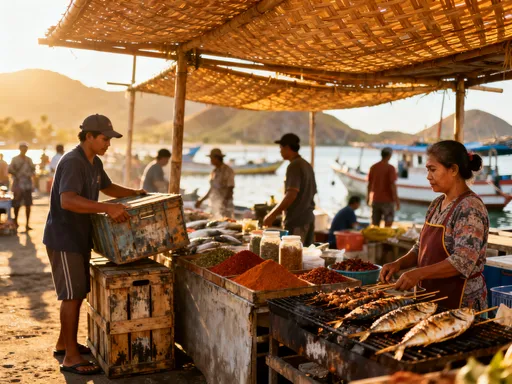
If the fort is a place of stillness, Nizwa Souq is a celebration of life in motion. Located just outside the fort’s eastern gate, this bustling marketplace is not a tourist attraction staged for visitors—it is a living, breathing part of daily Omani life. Yet, for the mindful traveler, it becomes an unexpected retreat, a place where leisure is found not in relaxation, but in engagement. Wandering through its covered alleys, where sunlight filters through wooden latticework, is an exercise in sensory immersion. The air is rich with the scent of saffron, dried limes, and warm bread. Baskets overflow with dates in every variety—soft, sticky ones from the local farms, plump medjools, and dark, wrinkled ajwas.
The true magic of the souq lies not in what you buy, but in how you experience it. Vendors sit behind their stalls with quiet dignity, offering samples of Omani halwa—a dense, fragrant confection made with rosewater, saffron, and ghee. A simple “shukran” (thank you) is often met with a smile and another piece offered on a small plate. There is no pressure to purchase. Instead, the interaction becomes a form of connection—a brief exchange of kindness, culture, and hospitality. Sitting on a low stool sipping sweet tea from a small glass, listening to the rhythm of Omani Arabic and the clink of copperware, you begin to understand that leisure here is woven into the fabric of everyday life.
Artisans display handcrafted silver jewelry, each piece stamped with traditional tribal patterns. Men sharpen khanjars, the curved daggers that are a national symbol, while women weave palm fronds into baskets. The souq moves at its own pace—there is no rush, no bargaining frenzy. Time stretches, allowing you to linger, observe, and absorb. For many visitors, especially women who value meaningful experiences over shopping lists, the souq becomes a place of quiet joy. It is not about collecting souvenirs, but about collecting moments—of warmth, of authenticity, of human connection. In a world that often feels transactional, Nizwa Souq reminds us that leisure can be found in the simple act of being present with others.
Mountain-View Cafés: Where Omani Hospitality Meets Modern Comfort
Just a short drive from Nizwa, the landscape climbs into the Al Hajar Mountains, where terraced villages cling to the cliffs and cool breezes replace the desert heat. In this elevated world, a new kind of leisure has emerged—one that blends Omani tradition with contemporary comfort. Scattered across Jebel Akhdar and nearby hamlets like Al Aqur and Bilad Sayt, a collection of cafés has transformed quiet courtyards and restored stone homes into serene retreats. These are not flashy establishments, but humble spaces designed for lingering. With panoramic views of terraced farms and deep wadis, they offer a different kind of luxury: the luxury of stillness.
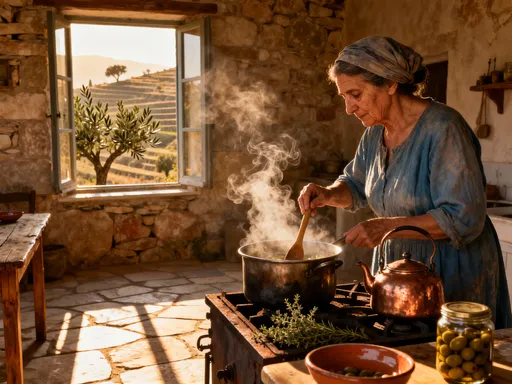
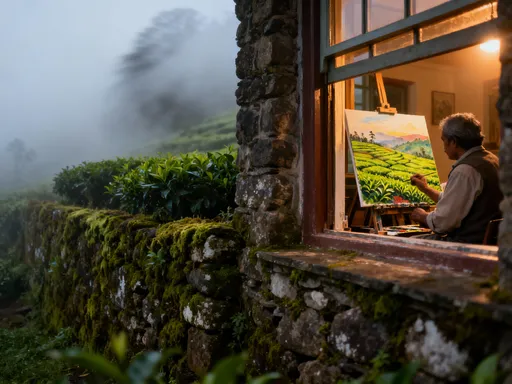
Sipping Omani coffee in one of these mountain cafés is an experience in mindfulness. The coffee is served in small handleless cups, brewed strong with cardamom and poured from a brass dallah. It is not meant to be rushed. Instead, it is sipped slowly, often accompanied by fresh dates, honey from local beehives, or warm flatbread. The décor is simple—woven mats, low wooden tables, and cushions in earthy tones—but every detail reflects respect for tradition. Some cafés are run by families who have lived in the village for generations, offering guests a glimpse into mountain life. Others are tucked into restored watchtowers, where the walls still bear the marks of centuries past.
What makes these spaces truly special is their atmosphere of quiet welcome. There are no loud playlists, no Wi-Fi signals demanding attention. Instead, the focus is on the view, the conversation, or the simple pleasure of doing nothing. You might sit for an hour watching clouds drift over the valley, or spend an afternoon reading a book in the shade of a grapevine. For many travelers, especially those seeking respite from busy family or work lives, these cafés become sanctuaries. They redefine leisure not as indulgence, but as restoration. In a world that glorifies busyness, Nizwa’s mountain cafés offer a powerful counter-narrative: that the most valuable moments are often the quietest ones.
Date Farms and Green Oases – Nature’s Own Lounge Spaces
Just beyond the city limits, Nizwa’s date farms and wadis offer another dimension of leisure—one rooted in nature and simplicity. These are not manicured parks or commercial resorts, but working agricultural spaces where life moves in harmony with the seasons. Walking through a date plantation is like entering a green cathedral. Tall palm trees form a canopy overhead, their fronds rustling in the breeze. Below, narrow irrigation channels—known as aflaj—carry water from mountain springs to nourish the groves. The sound of flowing water, a rarity in this arid region, creates a soothing backdrop for quiet reflection.
Many farms welcome visitors, especially those traveling with families or seeking a peaceful escape. You might be invited to sit on a low bench under a shaded pergola, offered a handful of freshly harvested dates still warm from the sun. Children can watch farmers climb the palms with rope harnesses, harvesting clusters of fruit with practiced ease. For adults, these spaces offer something deeper: a chance to reconnect with the rhythms of the earth. There are no schedules, no performances—just the quiet work of cultivation and the pleasure of being outdoors.
Nearby wadis, such as Wadi Al Abidin and Wadi Al Qudrah, extend this sense of natural serenity. These dry riverbeds come alive during the rare rains, but even in the dry season, they offer shaded paths, rocky pools, and the occasional wild fig tree. Walking through them feels like a gentle act of discovery. You might find a spot to sit and read, sketch, or simply close your eyes and listen to the wind. For women who often carry the weight of household responsibilities, these green oases provide a rare kind of freedom—the freedom to be still, to breathe deeply, and to remember that leisure is not selfish, but necessary. In Nizwa, nature does not need to be dramatic to be healing. Sometimes, peace is found in the shade of a palm tree, with nothing more than the sound of water and the warmth of the sun on your skin.
Practical Tips for Designing Your Leisure Journey in Nizwa
To fully embrace Nizwa’s rhythm, planning with intention is key. The best times to explore are early morning or late afternoon, when the sun is lower and the light is softest. Mornings offer a special magic—the city wakes slowly, and the fort is often quiet, allowing for peaceful exploration. By midday, when temperatures rise, it is wise to retreat to shaded spaces, whether a café, a souq stall, or a date farm pergola. Staying hydrated is essential, so carry water and take advantage of the free bottled water often offered at cafés and cultural sites.
Dress respectfully, especially for women. Loose-fitting, lightweight clothing that covers shoulders and knees is appropriate and comfortable in the heat. While Oman is welcoming to visitors, modesty is valued, and dressing with care shows respect for local customs. When visiting the fort or souq, comfortable walking shoes are a must—many paths are uneven, and the stone floors can be slippery in shaded areas. A light scarf is useful for sun protection or for covering the head when entering religious spaces.
Photography should be approached with mindfulness. Always ask permission before photographing people, especially vendors or families. While many are happy to be photographed, some prefer privacy. Capturing landscapes and architecture is encouraged, but do so with care—avoid using drones without permission, as they are restricted in many areas. To avoid burnout, balance activity with downtime. Spend half a day at the fort, then unwind at a mountain café. Visit the souq in the evening, when the light is golden and the pace even slower. Allow space for spontaneity—a conversation with a vendor, an unexpected invitation to tea, a quiet moment under a palm tree. These unplanned moments often become the most memorable.
Why Nizwa Redefines the Meaning of Travel Leisure
In an age of fast travel and checklist tourism, Nizwa offers a quiet revolution. It does not dazzle with skyscrapers or promise adrenaline-fueled adventures. Instead, it invites travelers to rediscover what leisure truly means—not as escape, but as presence. Here, time is not something to be filled, but something to be felt. Whether standing in silence within the fort’s ancient walls, sipping coffee while overlooking terraced mountains, or sharing a smile with a date farmer, the experience is one of depth, not distraction.
Nizwa’s magic lies in its ability to ground. It connects you to history, to nature, and to people—not through grand gestures, but through small, authentic moments. For women who often navigate complex roles as mothers, caregivers, and professionals, this kind of travel is not just refreshing—it is transformative. It offers permission to slow down, to listen, and to remember that peace is not found in doing more, but in being.
True leisure, Nizwa teaches, is not measured in luxury or entertainment, but in the quality of attention. It is in the warmth of the sun on stone, the aroma of cardamom in the air, the sound of a distant prayer call echoing through the valley. It is in the spaces between the sights, the moments of stillness, the unscripted encounters. To travel to Nizwa is not to visit a place, but to step into a different way of living—one that lingers long after you’ve left. Let the city’s quiet rhythm guide you. Let its hidden courtyards and mountain cafés remind you that the most meaningful journeys are not about distance, but about depth. And when you return home, you may find that the real journey has only just begun.