You Won’t Believe What I Found in Nuwara Eliya’s Hidden Art Spaces
Nuwara Eliya isn’t just tea and misty hills—there’s a creative pulse hiding in plain sight. I stumbled upon art studios where local hands shape stories in paint and clay, and galleries tucked into colonial bungalows. It’s not your typical shopping trip; it’s soulful, authentic, and full of surprises. If you think Sri Lanka’s hill capital is only about nature, wait until you see the artistry thriving beneath the surface. This is shopping with meaning. These quiet spaces, often overlooked by guidebooks, are where tradition meets imagination, and where travelers can connect not just with beautiful objects, but with the people who made them. In a world of mass-produced souvenirs, discovering handmade art in Nuwara Eliya feels like uncovering a secret worth sharing.
The Unexpected Art Scene in a Tea Town
Nestled high in Sri Lanka’s central highlands, Nuwara Eliya has long been celebrated for its emerald tea plantations, crisp mountain air, and Victorian-era architecture that echoes its colonial past. Often referred to as “Little England,” the town draws visitors with promises of scenic train rides, golf courses, and panoramic views of rolling hills blanketed in fog. For decades, tourism here has centered on nature and nostalgia, with travelers sipping tea at historic estates or strolling through rose gardens. Yet beneath this familiar charm lies a quieter, more personal transformation—one that doesn’t appear on postcards but is reshaping the cultural heartbeat of the region.
Over the past decade, a growing number of local artists have begun reclaiming unused colonial buildings, modest village homes, and even roadside workshops to create intimate art spaces. These are not grand institutions or commercial galleries, but humble studios where creativity thrives without fanfare. Painters, potters, and textile artists—many of them self-taught or trained in Colombo’s art schools—have returned to their roots, choosing to live and work in the cool highlands. Their decision is not merely about lifestyle, but about identity. In their hands, art becomes a way to preserve memories of rural life, celebrate Sinhalese traditions, and respond to the changing landscape of their hometown.
This artistic shift matters because it represents a form of cultural resilience. As global tourism trends push destinations toward homogenization—where every souvenir shop sells the same wooden elephants and batik scarves—Nuwara Eliya’s emerging art scene offers an alternative. It is community-led, deeply personal, and rooted in place. Each brushstroke or carved curve tells a story of home: a childhood memory of harvesting tea leaves, the silhouette of a farmer against the dawn, the intricate patterns found in temple murals. These works do not cater to tourist expectations; instead, they invite visitors into a more honest conversation about what it means to live in Sri Lanka’s hill country today.
Why Art-Centric Shopping Feels Different
Most travelers are familiar with the ritual of souvenir shopping: browsing rows of identical trinkets, comparing prices, and selecting something small and lightweight to carry home. While these purchases may serve as mementos, they often lack depth. In contrast, buying art directly from the maker transforms the experience into something far more meaningful. When you stand in a small studio in Nuwara Eliya and watch an artist mix pigments to capture the exact shade of morning mist over the hills, you’re no longer just a customer—you become part of a shared moment of creation.
The emotional value of owning a handmade piece cannot be overstated. Unlike factory-made souvenirs, each artwork carries intention, effort, and narrative. A watercolor of Gregory Lake might depict not just the scenery, but the artist’s memory of fishing there with his grandfather. A hand-thrown clay bowl may bear the texture of soil collected from nearby fields, fired in a simple kiln behind the studio. When you bring such an object home, you’re not just displaying decor—you’re honoring a story, a skill, and a life.
Equally important is the sustainability aspect of this kind of shopping. Handmade art, by its nature, resists mass production and overconsumption. These items are crafted slowly, using local materials and minimal waste. There are no plastic molds, no overseas factories, no excessive packaging. Instead, there is care: in the sourcing of pigments, the shaping of clay, the stitching of fabric. By choosing to support these artists, travelers contribute to a more ethical model of tourism—one that values quality over quantity and people over profit. It’s a small but powerful way to travel with conscience, knowing your purchase helps sustain a livelihood rather than feed a supply chain.
Spotlight on Local Art Spaces Worth Visiting
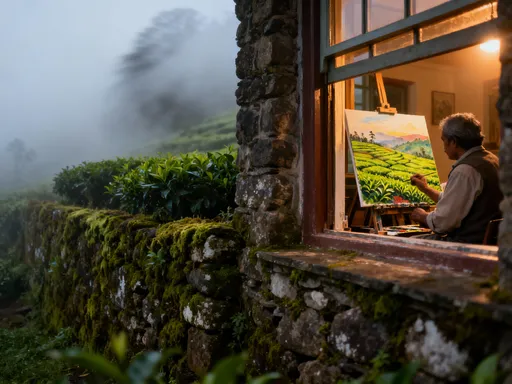
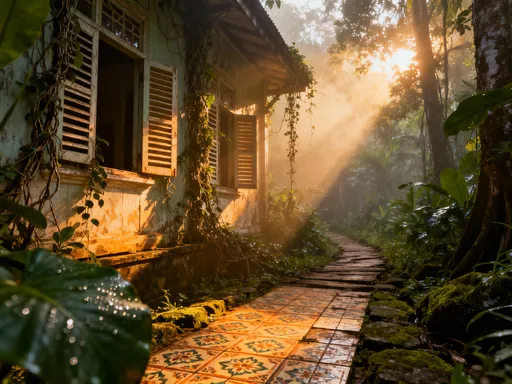
While Nuwara Eliya doesn’t yet have a centralized arts district, several small studios and galleries have quietly established themselves as must-visit destinations for culturally curious travelers. One such space is a converted bungalow near the edge of Hakgala Botanical Garden, where a collective of four artists shares a sunlit studio. The building, once a tea planter’s residence, now houses rotating exhibitions of oil and watercolor paintings that depict rural life in the highlands. Visitors are welcomed with warm tea and invited to watch the artists at work, often seated at wooden easels beside open windows that frame views of blooming hydrangeas.
The mediums on display vary widely. One artist specializes in hyper-realistic portraits of tea pluckers, capturing the fine lines on their hands and the quiet dignity in their expressions. Another works with mixed media, layering natural dyes, pressed flowers, and handwoven fabric to create textured wall pieces that evoke the seasons of the hill country. A third member of the collective is a ceramicist who uses red clay sourced from nearby riverbeds, shaping vases, bowls, and tea sets that reflect both traditional Sri Lankan forms and modern minimalist design. The atmosphere is calm and unhurried, with no pressure to buy—just an open invitation to observe, ask questions, and appreciate.
Another notable space is a weekend-only gallery tucked behind a row of market stalls near the town center. Run by a local arts cooperative, it functions as both a sales venue and a community workshop. On Saturdays and Sundays, artists open their doors to the public, offering short demonstrations in batik painting, hand-loom weaving, and clay modeling. These events attract both tourists and local families, creating a rare space of intergenerational exchange. Children watch in awe as elders dip fabric into dye, while visitors try their hand at simple pottery techniques under gentle guidance. The cooperative also hosts monthly theme-based exhibitions—such as “Memories of the Village” or “Colors of the Seasons”—which give structure and visibility to the artists’ work.
What makes these spaces special is not just the art they house, but the sense of community they foster. There is no hierarchy between artist and visitor, no velvet rope or price list hidden from view. Instead, there is dialogue—about technique, inspiration, and the challenges of making a living through art in a small town. These studios are not trying to mimic Western galleries; they are creating something uniquely Sri Lankan: intimate, accessible, and deeply human.
What You Can Actually Buy (And Why It’s Special)
Travelers who visit Nuwara Eliya’s art spaces will find a range of authentic, handcrafted items—none of which resemble the mass-produced souvenirs sold at tourist markets. Among the most sought-after pieces are hand-painted canvases that capture the region’s iconic landscapes: mist-covered tea estates at sunrise, colonial train tracks winding through the hills, or clusters of wildflowers blooming along country paths. What sets these paintings apart is their personal touch. Many artists sign their work with both name and village, and some include small notes about the inspiration behind the piece—such as “painted from memory of my mother’s garden” or “inspired by the light on March mornings.”
Ceramics are another highlight. Using locally sourced clay, artisans craft functional and decorative pieces that reflect both traditional craftsmanship and contemporary aesthetics. You might find a set of hand-glazed tea cups with delicate floral patterns, or a large serving bowl shaped to resemble a lotus leaf. Each item is fired in small kilns, often using wood or recycled materials, and no two pieces are exactly alike. The slight variations—uneven glaze, subtle warping from the heat—are not flaws, but marks of authenticity, evidence of human hands at work.
Textile art also plays a significant role in the local creative scene. Embroidered wall hangings, hand-stitched cushion covers, and naturally dyed scarves feature motifs drawn from hill-country life: tea leaves, mountain peaks, birds like the Sri Lankan junglefowl, and traditional geometric patterns. Some artists use ancient techniques passed down through generations, such as kasavu weaving or kantha-style stitching, adapting them to modern designs. These textiles are not only beautiful but durable, made to be used and cherished over time.
One of the most rewarding aspects of shopping in these spaces is understanding the fair pricing behind each item. A small painting might cost between $25 and $60, while a hand-thrown ceramic mug could range from $15 to $30. Larger works or intricate textiles may go higher, but prices remain accessible given the time, skill, and materials involved. Artists are transparent about their costs, often explaining how much they earn from each sale after covering materials and cooperative fees. This openness fosters trust and deepens the connection between buyer and creator. You’re not just paying for an object—you’re supporting a dream, a tradition, and a way of life.
How to Find These Spaces Without a Map
One of the charms of Nuwara Eliya’s art scene is its lack of commercial signage. These studios are not listed on every tourism brochure, nor do they dominate Google Maps. Finding them requires a bit of curiosity and local engagement—qualities that make the discovery all the more rewarding. The best starting point is often your accommodation. Boutique guesthouses and eco-lodges, especially those run by locals, frequently display artwork in their common areas and can provide directions to nearby studios. Many owners are personally acquainted with the artists and may even arrange private visits or introduce you during weekend open hours.
Another effective strategy is to visit during weekends, when several studios open their doors for special events. The cooperative gallery near the market, for example, is only fully accessible on Saturdays and Sundays, when artists gather to demonstrate techniques and interact with visitors. These times offer the richest experience—not just seeing finished pieces, but witnessing the creative process in action. Similarly, some studios host monthly “art mornings,” where guests can enjoy coffee, light music, and informal talks by the artists. Checking community bulletin boards at cafes or tourist information centers can reveal upcoming events.
For those who prefer digital research, following local artist collectives on social media can yield valuable insights. While not all artists are online, several have begun sharing their work on platforms like Instagram and Facebook, posting photos of new pieces, studio updates, and event announcements. Searching hashtags like #NuwaraEliyaArt or #HillCountryCreatives may lead to hidden gems. Even a simple message to a local cultural center or craft shop can result in a handwritten note with directions to a tucked-away studio.
To make the most of your visit, consider combining art exploration with other gentle activities. Begin with a morning walk through Hakgala Botanical Garden, where the cool air and blooming flowers set a peaceful tone. Afterward, stop by a nearby studio for tea and conversation. This rhythm—nature, reflection, creativity—mirrors the spirit of the region itself. When visiting these spaces, remember to engage respectfully. Ask before taking photographs, especially of works in progress or the artists themselves. If you’re unsure about prices or policies, simply ask—most creators are happy to explain. And while bargaining is common in Sri Lankan markets, it’s best avoided in these small studios, where margins are thin and prices are already fair. A kind word or genuine compliment often means more than haggling over a few rupees.
The Bigger Picture: Supporting Culture Through Travel Choices
Choosing to visit and support Nuwara Eliya’s local art spaces is about more than acquiring beautiful objects—it’s about making a conscious travel decision that has ripple effects. Every purchase directly supports an individual artist or small collective, helping them continue their work without relying on middlemen or export markets. This financial independence allows creators to stay in their communities, raise families, and mentor younger artists. In a country where many rural youth migrate to cities or abroad for work, this stability is vital. When artists thrive, they inspire others to value local knowledge, craftsmanship, and cultural expression.
Tourism, when done mindfully, can become a force for heritage preservation. The stories told in these paintings, ceramics, and textiles might otherwise fade with time—lost to urbanization, globalization, or shifting priorities. But when travelers show interest, when they listen and learn and carry these stories home, they help keep traditions alive. One elderly painter I met spoke of how his grandson, once disinterested in art, now helps him prepare canvases after school. “He says people from other countries want to see our life,” the artist said, smiling. “That makes him proud to know it.” Moments like this reveal the deeper impact of cultural tourism: it doesn’t just enrich the visitor—it strengthens the host community.
Supporting local art also encourages sustainable development. Unlike large resorts or souvenir factories, these small studios operate with minimal environmental impact. They use natural materials, generate little waste, and often incorporate eco-friendly practices—such as rainwater collection for clay preparation or solar drying for natural dyes. By choosing to spend your time and money here, you align your travel with values of care, respect, and responsibility. You become part of a quiet movement—one that values authenticity over spectacle and connection over consumption.
Wrapping Up: More Than Just a Purchase
Traveling through Nuwara Eliya with an eye for art transforms the journey from sightseeing to soul-seeing. It shifts the focus from what you can photograph to what you can understand. These hidden studios are not just places to buy souvenirs; they are windows into lives, histories, and dreams. They remind us that beauty exists not only in landscapes, but in the hands that interpret them. To stand in a sunlit room and watch a woman paint a village scene from memory, or to hold a clay cup shaped by someone who knows the soil it came from—that is travel at its most meaningful.
The experience stays with you long after the trip ends. A painting on your wall becomes more than decor; it becomes a conversation starter, a memory, a bridge between cultures. A hand-embroidered cushion cover carries not just color and texture, but the quiet pride of its maker. These objects, born from care and intention, invite us to slow down, to appreciate the handmade, and to recognize the value of human expression.
As you plan your travels, wherever you may go, consider seeking out the unseen creators—the potters in hill towns, the weavers in coastal villages, the painters in mountain hamlets. Look beyond museums and monuments to the living, breathing studios where culture is not preserved behind glass, but created daily. Let curiosity guide you. Let art lead the way. And when you find those quiet spaces where creativity thrives in the shadows, take a moment to listen, to learn, and to carry home not just an object, but a story. Because the most lasting souvenirs are not the ones you buy—they are the ones that change how you see the world.