You Won’t Believe What I Found Hiking Through Kuching’s Hidden Heritage Trails
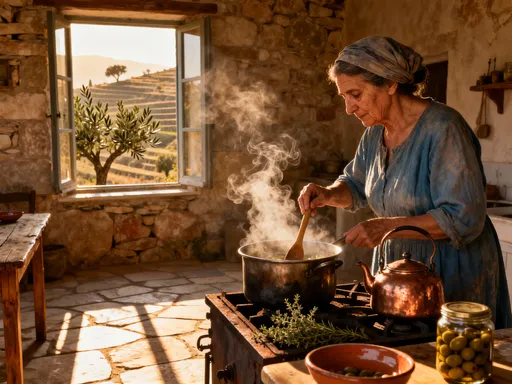
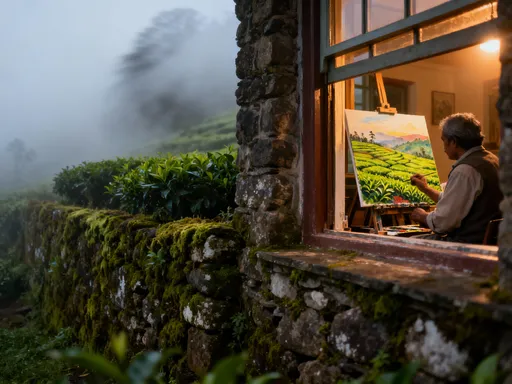
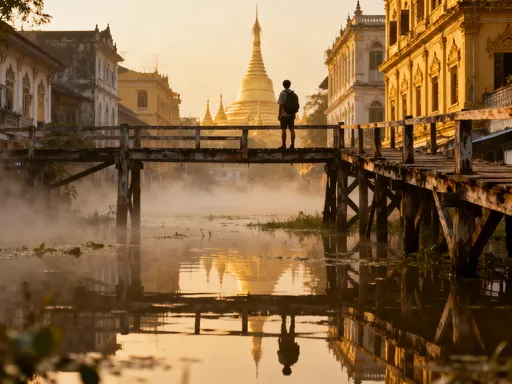
Hiking in Kuching isn’t just about rainforests and river views—it’s a journey through time. As I trekked off the beaten path, I stumbled upon colonial-era buildings half-swallowed by jungle, traditional Malay *kampung* houses on stilts, and Chinese shophouses with faded Peranakan details clinging to hilltops. The mix of architecture tucked into nature is absolutely stunning. This is more than a trek; it’s a living museum. If you think Southeast Asian heritage is only in museums, you gotta see this. These trails reveal how centuries of trade, migration, and adaptation have left behind a layered legacy—one that whispers from weathered wood, cracked tiles, and winding jungle paths. For those who seek not just adventure but connection, Kuching offers a rare gift: history that breathes.
Why Kuching? The Unexpected Blend of Nature and Design
Kuching, the capital of Sarawak on the island of Borneo, stands apart from other Southeast Asian cities not because it’s larger or more modern, but because it holds its past with quiet dignity. Unlike metropolises where skyscrapers erase memory, Kuching allows history to coexist with growth. Its position along the Sarawak River made it a natural hub for trade between coastal communities, inland tribes, and foreign merchants. Over time, waves of Malay, Chinese, Iban, and European settlers shaped a city where cultures didn’t just live side by side—they merged into something unique. What makes Kuching truly special, however, is how much of this heritage lies beyond the city center, hidden in the forested hills and ridgelines that surround it.
Hiking here becomes an act of discovery. While many travelers head straight to museums or guided city walks, those willing to lace up their boots find architectural relics nestled in the greenery—structures once vital to daily life, now reclaimed by vines and moss. These are not tourist attractions with plaques and entry fees. They are silent witnesses to another era: an old administrative outpost built during the Brooke family’s rule, a hilltop residence from the early 1900s, or a cluster of wooden homes perched above seasonal flood zones. Their isolation preserves them in a way that urban development never could.
What surprises most is the harmony between the built environment and the natural world. You don’t just hike *past* these structures—you walk through them, around them, sometimes beneath them. A staircase carved into stone leads to a collapsed veranda. A rusted gate hangs ajar where a garden once flourished. The jungle doesn’t destroy these places; it absorbs them, creating a dialogue between human intention and natural persistence. For visitors, especially women in their 30s to 50s who value meaningful travel, this blend offers something deeper than sightseeing: a chance to reflect on how people lived, adapted, and left traces behind.
The Trail Less Taken: Starting from Semenggoh into the Cultural Uplands
One of the most rewarding ways to begin this journey is at the edge of the Semenggoh Nature Reserve, best known for its orangutan rehabilitation program. But just beyond the official trails, lesser-known footpaths wind into the surrounding hills, where remnants of old settlements begin to appear. Early morning is the best time to start—when mist still clings to the treetops and sunlight filters through in soft gold beams. It’s quiet, almost reverent, as if the forest itself knows it guards something precious.
Within half an hour of leaving the main reserve area, the first signs of human history emerge. A set of stone steps, worn smooth by decades of foot traffic, leads uphill. At the top, fragments of a foundation remain—just enough to suggest where walls once stood. Nearby, a row of curved roof tiles, typical of Straits Chinese design, peeks out from under ferns. These are the remnants of hilltop homes built by Peranakan traders who once used elevated positions to avoid flooding and enjoy cooler air. Though the buildings are gone, their footprints linger, like echoes in the earth.
As the trail climbs higher, the terrain shifts. Wooden walkways, some still intact, cross small streams and muddy patches. These were likely part of a network connecting homes, gardens, and footpaths used over a century ago. Today, they’re covered in moss, their railings softened by time, but they remain passable with care. It’s easy to imagine families moving along these paths—children walking to school, elders returning from market, women carrying baskets of fruit. The silence now is profound, but the sense of life isn’t gone; it’s transformed.
Trail conditions vary, so proper footwear is essential. Rubber-soled hiking shoes with ankle support help navigate slippery roots and loose soil. The paths are not marked on standard tourist maps, so relying on GPS or a local guide is highly recommended. While the area is safe, it’s remote enough that cell service fades quickly. This solitude, though, is part of the experience—being alone with history, surrounded by birdsong and rustling leaves, creates a meditative rhythm that city life rarely allows.
Colonial Echoes: Spotting British-Era Structures in the Canopy
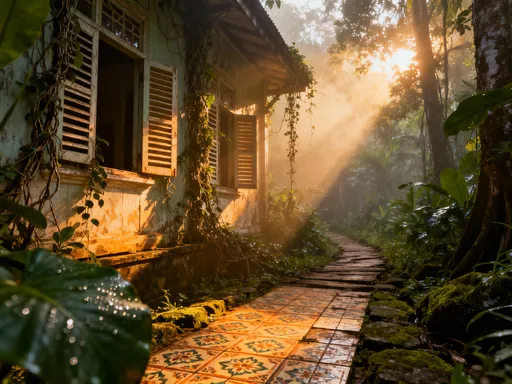
Deep within the trail system, tucked between thick stands of dipterocarp trees, lie the remnants of British colonial presence during the era of the White Rajahs—the Brooke family who ruled Sarawak from 1841 to 1946. These structures were never grand palaces, but practical buildings designed for function and comfort in the tropical climate. One such discovery, about two hours into the hike from Semenggoh, stands quietly amid the green: a two-story bungalow with wide verandas, tall ceilings, and louvered windows that once allowed cross-ventilation before air conditioning existed.
The building is isolated, accessible only by foot, and shows signs of careful construction—hardwood beams, brick foundations, and a roof structure that, though partially collapsed, still holds its shape. Graffiti and decay are minimal, suggesting that locals respect its presence, even if they no longer use it. Standing inside, you can feel the difference in temperature—cooler than the surrounding jungle, thanks to the high ceilings and airflow design. This wasn’t just architecture; it was climate-responsive engineering, refined over decades of tropical living.
These colonial outposts served various purposes: surveyor stations, rest houses for officials, or administrative centers for managing nearby settlements. They were built to last, using materials shipped from elsewhere or sourced locally. What’s striking today is how seamlessly they’ve been absorbed into the landscape. Vines curl around window frames. Tree roots split stone steps. A century ago, this was a symbol of authority and order. Now, it’s a quiet monument to impermanence—a reminder that even the most solid structures eventually return to the earth.
For modern hikers, especially those interested in history and design, these buildings offer a rare glimpse into a transitional period in Borneo’s story. They represent a time when global influences met local conditions, resulting in hybrid solutions that prioritized livability. There’s no glorification of colonialism here—only acknowledgment of its physical imprint and the way nature has since reclaimed it. In that reclamation, there’s peace. The jungle doesn’t judge; it simply continues.
Kampung Architecture Rising: Stilt Houses Along the Ridge Paths
As the trail descends slightly and follows a ridge line, another architectural tradition becomes visible: the traditional Malay *kampung* house, built on stilts and nestled into the contours of the land. These homes, constructed from durable hardwoods like belian (ironwood) and topped with attap roofs made from palm leaves, were designed for both practicality and cultural continuity. Their elevated design protects against flooding during monsoon season and allows for better airflow beneath the living space, keeping interiors cooler in the humid climate.
Some of these houses are still occupied, though modestly updated with modern conveniences. Solar panels sit atop traditional frames. Satellite dishes are mounted discreetly on outer walls. Yet the core design remains unchanged—steeply pitched roofs, open verandas, and intricately carved wooden panels that reflect regional artistry. Walking past one in the late afternoon, I saw an elder woman sitting on the front porch, weaving a mat by hand. She smiled but didn’t speak, her presence a quiet affirmation of continuity.
These homes are more than shelters; they are expressions of identity. The stilt design, shared across many indigenous communities in Southeast Asia, reflects a deep understanding of environmental adaptation. Raised floors prevent pest infestations, reduce moisture damage, and create shaded outdoor spaces for family gatherings. The open layout encourages social interaction and ventilation, essential in a climate where closed rooms would feel suffocating. Even the orientation of the house—often aligned with wind patterns or river flow—demonstrates an intuitive grasp of passive climate control.
What’s heartening is how these traditions persist, even as younger generations move to cities. Some families maintain ancestral homes as weekend retreats or cultural centers. Others pass down building knowledge orally, ensuring that craftsmanship doesn’t disappear. For female travelers who value heritage and resilience, these homes offer a powerful symbol: that strength isn’t always loud, and progress doesn’t require erasing the past. It’s possible to honor tradition while embracing change—one solar panel, one repaired roof at a time.
Hidden Shophouses: Peranakan Details at the Edge of the Wild
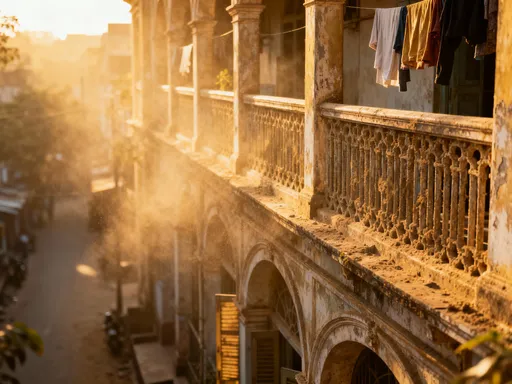
Perhaps the most surprising finds along these trails are the remnants of Sino-Malay shophouses, far from any modern commercial district. Built in the late 19th and early 20th centuries, these narrow buildings once served as trading posts for merchants dealing in spices, textiles, and medicinal herbs. Today, they stand in partial ruin, their pastel-colored facades faded by sun and rain, their ceramic tilework cracked but still beautiful. Yet even in decay, their craftsmanship is undeniable.
One cluster, located near a dried-up streambed, retains ornate wood carvings above doorways—floral motifs, dragons, and phoenixes rendered in fine detail. The windows, though broken, still have traces of colored glass. These were not modest structures; they reflected pride and prosperity. Their placement along old footpaths suggests they were once part of a thriving network of commerce, linking inland communities with the river ports below. Travelers, traders, and porters would have stopped here for supplies, rest, or news.
What makes these shophouses remarkable is their survival against the odds. Without active maintenance, most wooden buildings in the tropics succumb to termites, mold, or fire within decades. Yet these have lasted over a century, thanks to quality materials and thoughtful construction. The use of thick timber, raised thresholds, and overhanging eaves helped protect against moisture and pests. Even now, the layout feels intentional—compact but efficient, with storage below and living quarters above.
For those who appreciate design and history, these ruins are deeply moving. They represent a time when craftsmanship was central to everyday life, when beauty wasn’t reserved for temples or palaces but woven into ordinary spaces. Hiking to these sites forces a shift in perspective: heritage isn’t just preserved in museums behind glass. It lives in the grain of weathered wood, in the curve of a tiled roof, in the silence of a forgotten marketplace. To witness it firsthand is to feel a connection across time—to the hands that built it, the families that lived there, the stories that went unrecorded.
Practical Trekking Tips: How to See These Sites Safely and Respectfully
Exploring Kuching’s hidden heritage trails is rewarding, but preparation is key. The terrain can be challenging, especially during or just after rainfall when paths become slippery and leeches may appear. Hikers should wear moisture-wicking clothing, sturdy boots with good grip, and bring a lightweight rain jacket. A waterproof backpack is essential for protecting electronics, water, and snacks. Since many areas lack signage, downloading offline maps or using a GPS app with preloaded routes is strongly advised.
Perhaps the most valuable step is hiring a local guide. Indigenous Iban or Malay guides not only know the safest routes but also understand the cultural significance of the sites. They can point out features that might otherwise go unnoticed—a carved symbol on a beam, the name of a medicinal plant, the history of a particular settlement. Their presence ensures that visits are respectful, especially when approaching active homes or sacred spaces. Some areas may be considered spiritually significant, and guides help navigate these sensitivities with care.
Permits are not typically required for these trails, but it’s important to avoid trespassing on private property. If a structure appears to be in use or marked with personal items, it’s best to observe from a distance. Photography is generally acceptable, but always ask permission if people are present. Littering is strictly discouraged—pack out everything you bring in. These sites are fragile, and preservation depends on responsible tourism.
The best time to visit is during the dry season, from May to September, when trails are more stable and visibility is clearer. Mornings are ideal for both comfort and lighting—early sun enhances the textures of wood, stone, and foliage, making photography especially rewarding. Bring plenty of water, insect repellent, and a small first-aid kit. While the hikes are moderate in difficulty, pacing is important, especially for those not used to tropical heat. Take breaks in shaded areas, listen to the forest, and let the journey unfold at its own rhythm.
Why This Hike Changes How You See Southeast Asian Cities
This kind of hiking experience does more than provide physical activity or scenic views—it reshapes how we understand urban heritage. In most cities, history is confined to designated zones: museums, monuments, or restored districts. But in Kuching, the past spills beyond boundaries, woven into the hills, rivers, and forests that frame the city. To hike here is to realize that culture isn’t just preserved in buildings; it’s embedded in landscapes, in the way people adapted to their environment over generations.
For women who travel not just to see, but to feel and understand, this journey offers rare depth. It’s not about ticking off landmarks or capturing perfect photos. It’s about slowing down, listening, and noticing—the curve of a roof, the pattern of a tile, the way light falls through a broken window. These details tell stories of resilience, ingenuity, and coexistence. They remind us that history isn’t static; it evolves, retreats, reappears in unexpected places.
Kuching’s hidden trails challenge the idea that progress means replacement. Here, the old and new exist in quiet dialogue. A stilt house has solar panels. A colonial bungalow is embraced by fig roots. A shophouse facade fades but still stands. There’s beauty in that balance—a lesson in how to move forward without forgetting where we’ve been.
If you’ve ever felt that travel has become too fast, too commercial, too predictable, this hike offers a reset. It invites you to step off the pavement, into the green, and into a slower, more thoughtful way of exploring. You don’t need to be an expert historian or an elite hiker. You just need curiosity, good shoes, and an open heart. The jungle will guide you. The ruins will speak. And Kuching will reveal itself not as a city on a map, but as a living story, still unfolding.
Put on your boots. Let the jungle show you Kuching’s soul.