You Won’t Believe What’s Hiding in Queenstown’s Downtown
Queenstown, New Zealand, isn’t just about bungee jumps and mountain views—its vibrant commercial areas are where the real magic happens. I wandered the streets, discovering cozy cafes, local boutiques, and unexpected art tucked between the tourist hubs. This is more than shopping; it’s a cultural experience. From the lively atmosphere of Steamer Wharf to the hidden alleyway galleries, Queenstown’s downtown pulses with energy, authenticity, and charm you won’t find in any guidebook.
The Heartbeat of Queenstown: Why Its Commercial Areas Matter
Queenstown’s downtown is not simply a collection of shops and restaurants—it is the living, breathing core of the town’s identity. While the surrounding mountains and Lake Wakatipu draw visitors from across the globe, it is the rhythm of daily life in the commercial districts that reveals the true soul of this alpine destination. These areas serve as a bridge between tourism and local culture, where backpackers rub shoulders with residents grabbing their morning flat white, and international travelers pause to admire handcrafted jewelry made just a few kilometers away. The economic pulse of Queenstown beats strongest here, with small businesses contributing significantly to employment and community sustainability.
What makes these commercial zones especially vital is their ability to balance global appeal with regional authenticity. Unlike resort towns that become hollowed out by seasonal tourism, Queenstown maintains a year-round population deeply engaged in its downtown life. Foot traffic remains steady not only during peak seasons but also in the quieter winter months, thanks to both locals and off-season explorers. This consistency allows independent shops, artisanal bakeries, and family-run galleries to thrive, reinforcing a sense of place that cannot be replicated in manufactured tourist zones. Understanding this dynamic enriches the visitor experience, transforming a casual stroll into a meaningful encounter with the town’s character.
Moreover, the cultural significance of these spaces extends beyond commerce. Street musicians perform original compositions near the waterfront, children gather around public sculptures, and seasonal festivals bring the community together in shared celebration. These moments are not staged for tourists—they unfold naturally, shaped by the people who live and work here. When travelers take the time to observe and engage, they become part of a living narrative rather than passive spectators. In this way, Queenstown’s commercial areas do more than serve economic functions; they foster connection, creativity, and continuity in a town often defined by fleeting adrenaline rushes.
Breaking Down the Main Hubs: From Church Street to The Mall
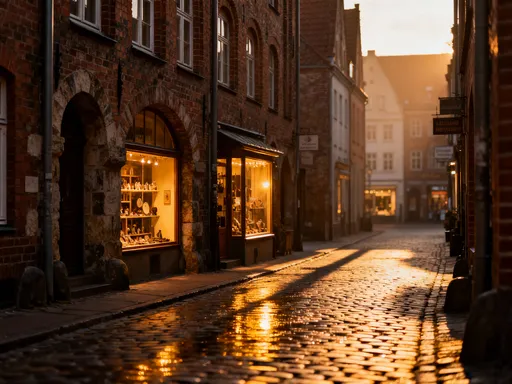
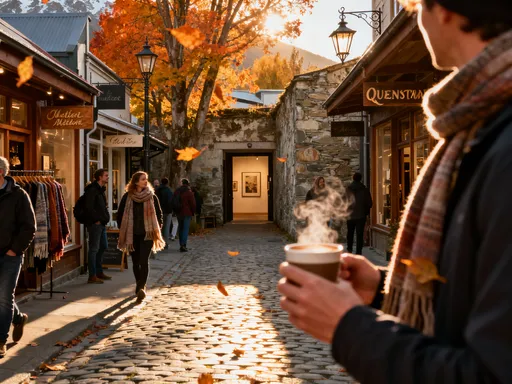
The heart of Queenstown’s downtown lies within a compact network of interconnected streets, each offering its own distinct flavor. Church Street stands as the primary artery, bustling with foot traffic and lined with a curated mix of retail and dining options. During daylight hours, sunlight glints off glass-fronted stores showcasing outdoor gear, while the scent of freshly ground coffee drifts from sidewalk cafes. As evening falls, warm lighting spills onto the pavement, and the murmur of conversation rises from outdoor seating areas where diners linger over wine and shared platters. This blend of practicality and ambiance makes Church Street both a shopping destination and a social hub.
Just steps away, The Mall offers a pedestrian-friendly escape from vehicle traffic, creating a safe and relaxed environment for strolling and discovery. Paved with textured stone and accented with seasonal plantings, the street invites slow exploration. Benches placed at regular intervals encourage rest and observation, while public art installations—ranging from abstract metal sculptures to interactive light displays—add visual interest. On weekends, local vendors set up temporary stalls selling handmade soaps, woolen goods, and gourmet preserves, turning The Mall into an open-air market that celebrates regional craftsmanship.
Equally compelling are the side lanes and connecting pathways that branch off from these main thoroughfares. Here, the pace slows, and the atmosphere shifts. Arrowtown Lane, though narrow, houses a cluster of intimate galleries featuring works by South Island artists. Rees Street, running parallel to the lake, blends heritage cottages with modern renovations, housing micro-roasteries and boutique wellness studios. These quieter zones provide contrast to the busier streets, offering moments of reflection and surprise. The interplay between the energetic center and these calmer side routes creates a layered urban experience—one that rewards those who wander with curiosity.
Local vs. Tourist Spots: Finding the Balance
One of Queenstown’s most admirable qualities is its ability to welcome millions of visitors annually without losing its local character. This balance is not accidental but the result of deliberate efforts to support homegrown businesses and preserve cultural authenticity. While international brands have a presence—particularly in outdoor apparel and hospitality—they exist alongside a thriving ecosystem of independent shops and service providers. This coexistence allows tourists to access familiar conveniences while also encountering the unique flavors of Central Otago’s creative economy.
The commitment to local enterprise is evident in initiatives like the Queenstown Farmers’ Market, held weekly at the Events Centre. Here, residents and visitors alike gather to purchase fresh produce, artisan bread, and locally made preserves directly from producers. Stalls are carefully vetted to ensure that goods are grown or crafted within the region, reinforcing a farm-to-table ethos that resonates with both health-conscious families and environmentally aware travelers. Similarly, the town supports local artisans through grants and incubator programs, enabling emerging designers, potters, and textile artists to establish storefronts in accessible locations.
Independent cafes play a crucial role in maintaining this equilibrium. Unlike chain establishments that prioritize efficiency and uniformity, these small businesses reflect the personalities of their owners. A breakfast spot might serve sourdough baked in-house, topped with honey harvested from nearby hives. A tea house could feature blends inspired by native plants like kawakawa and manuka. These details may seem minor, but they contribute to a sensory narrative that distinguishes Queenstown from other alpine resorts. For visitors, choosing to dine or shop locally is not just a consumer decision—it’s an act of cultural participation.
Sustainable commerce is another pillar of this balanced approach. Many businesses have adopted eco-friendly practices, from compostable packaging to energy-efficient lighting. Some retailers offer repair services for outdoor gear, extending product lifespans and reducing waste. These efforts align with broader environmental values held by both residents and conscientious travelers. By supporting establishments that prioritize sustainability, visitors help ensure that Queenstown remains vibrant not only today but for generations to come.
Hidden Gems in Plain Sight: The Alleyways and Courtyards
Beyond the well-trodden paths of Church Street and The Mall lie quieter corners of Queenstown’s downtown—spaces that reward those who look beyond the obvious. Tucked between buildings, accessible via unmarked passageways or discreet staircases, these hidden spots offer intimate encounters with art, craftsmanship, and quiet contemplation. One such example is the courtyard behind Shotover Street, where a cluster of studios houses glassblowers, jewellers, and printmakers. Visitors can watch artisans at work, their hands shaping molten glass or engraving silver, and often leave with a one-of-a-kind piece imbued with personal meaning.
Another discovery awaits in a narrow alley near Fernhill, where a tiny bookshop specializes in New Zealand literature and rare alpine guides. With shelves reaching from floor to ceiling and a resident cat curled on a reading bench, the space feels more like a private library than a commercial venture. Similarly, a micro-roastery hidden in a converted garage on Brecon Street offers tastings of single-origin beans roasted in small batches. The owner, a former mountaineer, shares stories of sourcing beans from remote farms, linking the craft of coffee to the spirit of adventure.
These spaces thrive precisely because they are not designed for mass appeal. They lack flashy signage and digital marketing campaigns, relying instead on word-of-mouth and serendipitous discovery. Yet, their presence enriches the town’s cultural fabric, offering alternatives to standardized retail experiences. For travelers, stumbling upon such a place creates a lasting memory—not because of what was purchased, but because of the feeling of having found something special, something real. In an age of curated online personas and algorithm-driven recommendations, these hidden gems remind us of the value of unplanned exploration.
Dining and Drinking Culture: More Than Just Fuel
In Queenstown, food and drink are not mere necessities—they are central to the rhythm of daily life and social connection. The town’s commercial areas are dotted with establishments that go beyond serving meals, creating spaces where people gather, celebrate, and unwind. Wine bars perched above the lake offer panoramic views of the Remarkables mountain range, their terraces filled with guests sipping Central Otago pinot noir as the sun dips below the peaks. These venues often feature small plates crafted from local ingredients—cured meats, creamy brie, roasted beetroot—designed to complement the region’s renowned wines.
Lakefront seafood shacks provide a more casual experience, serving fresh green-lipped mussels, smoked salmon, and hand-battered fish and chips wrapped in paper. These unpretentious spots attract both tourists and locals, their picnic tables occupied by families, couples, and solo diners enjoying the breeze off the water. Breakfast culture is equally vibrant, with cafes opening early to serve porridge topped with seasonal fruit, fluffy scrambled eggs, and artisan toast. A popular spot near the wharf is known for its house-made granola and locally roasted coffee, drawing a loyal following of regulars who greet each other by name.
Seasonal events further enhance the culinary landscape. Winter brings pop-up igloos and heated outdoor lounges, where guests enjoy mulled wine and gourmet hot chocolate beneath strings of fairy lights. Summer sees the return of outdoor markets, live music performances, and long-table dinners hosted in public squares. These gatherings transform commercial spaces into communal venues, blurring the line between dining and celebration. For visitors, participating in these moments offers a deeper understanding of how food shapes social life in Queenstown—not as a transaction, but as a shared experience rooted in place and season.
Design and Atmosphere: How Architecture Shapes the Experience
The physical layout of Queenstown’s downtown plays a crucial role in shaping how people move through and experience the space. Thoughtful urban design ensures that the area remains inviting year-round, regardless of weather or season. A harmonious blend of architectural styles—historic stone cottages, timber-framed buildings, and contemporary glass structures—creates visual interest without sacrificing cohesion. This mix reflects the town’s evolution from a gold-rush settlement to a modern tourism hub, preserving echoes of the past while embracing innovation.
Pedestrian flow has been carefully considered, with wide sidewalks, gentle slopes, and clear signage guiding movement through the district. Public seating is strategically placed near viewpoints, fountains, and shaded areas, encouraging rest and observation. Lighting, too, contributes to the ambiance—soft, warm-toned fixtures illuminate pathways in the evening, creating a safe and welcoming environment. In winter, heated benches and windbreaks ensure that outdoor spaces remain usable even in cold conditions, supporting the town’s commitment to year-round vitality.
Signage and wayfinding are designed with clarity and aesthetics in mind. Rather than cluttered advertisements, directional markers use natural materials and understated typography, blending seamlessly into the surroundings. Public art is integrated into the streetscape, with sculptures, murals, and interactive installations enhancing the sense of discovery. Even utility elements like trash bins and bike racks are designed with attention to detail, reinforcing a standard of quality that permeates the entire environment. This level of care communicates respect—for visitors, for residents, and for the natural beauty that surrounds the town.
Practical Tips for Getting the Most Out of Queenstown’s Downtown
To truly appreciate Queenstown’s commercial areas, it helps to approach them with intention rather than haste. One of the most effective strategies is to visit during the early morning hours, when the streets are quiet and the light is soft. This is an ideal time for a leisurely walk, perhaps stopping at a favorite cafe before the lunch rush begins. Parking can be limited, especially during peak season, so consider using the town’s free shuttle service or arriving by foot if staying nearby. The shuttle connects key areas including the airport, hotels, and shopping districts, making it easy to explore without the stress of navigation.
Another tip is to avoid the temptation of checklist tourism. Rather than rushing from one store to the next, allow time for spontaneous detours—following the sound of music down an alley, pausing to read a plaque about local history, or striking up a conversation with a shopkeeper. These unplanned moments often lead to the most memorable experiences. Combining activities can also enhance the visit: begin with coffee and a pastry, browse a gallery, take a short lakeside walk, then return for a late lunch. This rhythm mirrors the way locals engage with downtown, prioritizing connection over consumption.
For those seeking a deeper understanding of the area, guided walking tours led by local historians or artists offer valuable insights. These tours often highlight lesser-known stories—such as the origins of historic buildings or the inspiration behind public artworks—adding layers of meaning to the physical environment. Additionally, checking the local events calendar can reveal opportunities to attend markets, live performances, or food festivals, all of which bring the community to life in vibrant ways. By planning with flexibility and openness, visitors can move beyond surface-level tourism and engage with Queenstown on a more personal level.
Conclusion
Queenstown’s commercial areas are not just places to spend money—they’re living spaces where culture, community, and adventure intersect. By looking beyond the postcard views, travelers can connect with the town’s true rhythm. The real beauty lies not in the shops themselves, but in the stories, faces, and moments found along the way. Whether sipping coffee in a hidden courtyard, chatting with a local artisan, or watching the sunset from a quiet bench, these experiences form the heart of what makes Queenstown unforgettable. In embracing the everyday magic of its downtown, visitors don’t just see the town—they become part of it, if only for a moment. And that is a journey worth taking.