You Won’t Believe These Dublin Views – Pure Instagram Magic
Dublin isn’t just about pint-stained pubs and literary legends—its skyline, riverside paths, and hidden corners offer some of the most instagram-worthy moments in Europe. I wandered the city with my camera, chasing golden-hour light and authentic vibes, and found spots that made me stop, stare, and snap nonstop. From cobbled lanes glowing in soft mist to panoramic rooftops overlooking red-brick rooftops, Dublin’s viewing experiences are quietly spectacular. This is a city that reveals itself in frames. With every turn, a new composition emerges—light dancing on water, stone walls whispering centuries of stories, and everyday life unfolding in vivid color. Whether you're a seasoned photographer or simply someone who loves capturing beauty, Dublin offers a visual journey that feels both intimate and grand.
The Heartbeat of Dublin: O’Connell Street and the Spire
O’Connell Street, Dublin’s grand central artery, pulses with history, movement, and modern energy. At its center stands the Spire of Dublin—a slender, needle-like monument rising 120 meters into the sky. Made of stainless steel and illuminated at night, it serves as a striking contrast to the surrounding Georgian and Victorian architecture. Completed in 2003, the Spire replaced Nelson’s Pillar and has since become a defining symbol of contemporary Dublin. Its minimalist design captures attention not through ornamentation but through presence, a sleek finger pointing toward the heavens amidst the urban landscape.
For photographers, this stretch of city offers dynamic opportunities throughout the day. At sunrise, the low-angle light casts long shadows across the wide boulevard, emphasizing the Spire’s height and creating dramatic silhouettes. Early morning also brings fewer crowds, allowing for unobstructed shots that focus on form and space. As the sun climbs, reflections on the polished surface of the Spire shift with the hours, offering ever-changing visual interest. By night, the structure glows from within, standing like a beacon in the dark—a perfect subject for long-exposure photography that captures both the monument and the subtle movement of passersby.
What makes O’Connell Street particularly compelling is how it bridges past and present. Statues of Irish nationalist figures like Daniel O’Connell anchor the street in history, while modern retail outlets and digital billboards reflect the city’s current rhythm. This blend of old and new provides rich context for storytelling through images. Capturing a traditional busker framed against the Spire, or a cyclist weaving past historic facades, adds narrative depth to visual compositions. The street sets the tone for a deeper exploration of Dublin’s layered identity—one that rewards those who look beyond the surface.
River Liffey Walks: A Lens on City Life
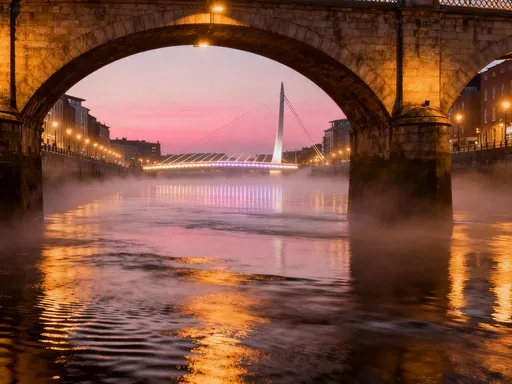
The River Liffey cuts through the heart of Dublin like a silver ribbon, connecting neighborhoods and offering some of the city’s most photogenic waterfront scenes. Stretching from the Ha’penny Bridge in the east to the Samuel Beckett Bridge in the west, the riverbanks provide an ever-evolving canvas of reflections, motion, and daily life. Walking along its paths, especially at dusk, reveals a city in transition—streetlights flickering on, office windows glowing amber, and the water mirroring the shifting sky in shimmering hues of gold and violet.
One of the most iconic vantage points is the Ha’penny Bridge, a cast-iron footbridge painted in deep green that dates back to 1816. Once requiring a half-penny toll, it now stands as a beloved landmark and a favorite among photographers. Its ornate railings and arched structure frame excellent shots of the river, particularly when paired with passing boats or the soft blur of pedestrians crossing. The reflection of the bridge on calm water creates symmetry that is both pleasing and powerful in composition. Just downstream, the modern curve of the Samuel Beckett Bridge—a harp-shaped cable-stay structure—offers a striking contrast, symbolizing Dublin’s architectural evolution.
As daylight fades, the Liffey transforms into a stage for light and movement. Trams glide across the Seán O’Casey Bridge, their illuminated interiors glowing like floating lanterns. Buskers play fiddles and accordions near Wellington Quay, their music blending with the gentle lap of water against stone. These candid moments are ideal for street photography, capturing the soul of the city without staging or intrusion. For those seeking elevated perspectives, nearby cafés such as Café en Seine or The Woollen Mills offer upper-level seating with panoramic river views—perfect for sipping coffee while scouting the next shot.
The river also serves as a natural guide for exploration. Following its course westward leads to quieter stretches near Heuston Station, where industrial remnants meet wilder greenery. Eastward, the river opens toward Dublin Bay, with views of cranes and cargo ships adding an unexpected maritime edge to the cityscape. Whether shooting wide-angle landscapes or intimate close-ups of rippling water, the Liffey provides endless inspiration. Its constant flow mirrors the rhythm of Dublin itself—steady, reflective, and full of quiet beauty.
Temple Bar’s Cobblestone Charm (Beyond the Crowds)
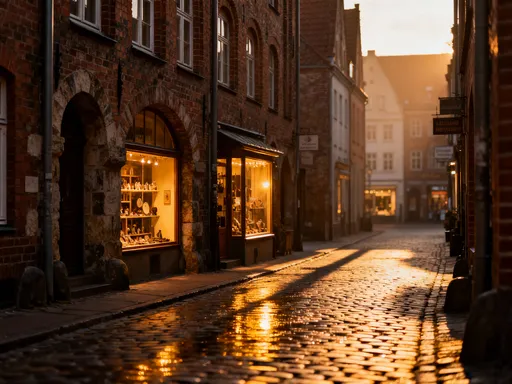
Temple Bar is often synonymous with Dublin’s nightlife—pubs spilling music into narrow lanes, tourists raising pints, and weekend revelry echoing off centuries-old walls. Yet beneath the boisterous surface lies a district rich in visual texture, color, and cultural detail. Its cobblestone streets, painted facades, and vibrant street art make it one of the most photographable areas in the city. To truly appreciate its charm, however, one must visit beyond peak hours—early in the morning or on a quiet weekday—when the area breathes at a slower pace and reveals its authentic character.
The buildings here, many dating back to the 18th century, feature bold hues—crimson, cobalt, mustard yellow—that pop against gray skies. Iron railings, flower boxes, and hand-painted signs add layers of detail that reward close observation. Street art, often politically or culturally themed, appears on alley walls and shuttered shop fronts, offering bold contrasts and storytelling elements. A single block can yield a dozen compelling frames: a weathered door with a lion’s-head knocker, a cat sunning on a windowsill, or a lone violinist practicing in an empty square.
To avoid the clutter of tourist crowds, aim to arrive by 8 a.m., when delivery trucks are unloading and shopkeepers are opening shutters. At this hour, the golden morning light slants across the cobbles, highlighting textures and casting soft shadows. Mist often lingers in the air, adding a dreamlike quality to images. For wider compositions, ascend the steps near the Francis Street entrance or find elevated angles from nearby parking garages. These vantage points allow for sweeping shots that capture the district’s maze-like layout and architectural density.
Temple Bar is also home to cultural gems that enrich visual storytelling. The Irish Photographic Archive, Temple Bar Gallery + Studios, and weekend craft markets showcase local creativity. Photographing artisans at work—painting, weaving, or playing traditional instruments—adds human warmth to the urban frame. Pairing these moments with wider shots of the district creates a narrative arc: from architecture to artistry, from place to people. By stepping beyond the pub signs and embracing the quieter rhythms, photographers discover that Temple Bar is not just a party zone—it’s a living canvas.
St. Stephen’s Green: Urban Oasis in Frame
Nestled in the heart of Dublin, St. Stephen’s Green is a 22-acre park that feels like a secret garden hidden within the city. Enclosed by elegant Georgian townhouses and accessible through ornate iron gates, it offers a serene escape from urban bustle. Meandering paths, a central lake with resident ducks and swans, flower gardens, and shaded benches create a tranquil environment ideal for soft-focus photography, lifestyle shots, and moments of quiet reflection. Unlike more formal parks, St. Stephen’s Green embraces a natural, slightly wild aesthetic—trees grow at angles, ivy climbs old stone walls, and birdsong replaces traffic noise.
Each season paints the park in a different palette. In spring, cherry blossoms bloom in delicate pinks and whites, their petals drifting onto the grass like confetti. Summer brings lush greenery and bursts of color from tulips, roses, and geraniums arranged in geometric beds. Autumn transforms the trees into a tapestry of gold, amber, and crimson, with fallen leaves crunching underfoot. Even winter has its charm—bare branches etched against gray skies, frost on railings, and the occasional fog that wraps the park in mystery. These seasonal shifts provide endless opportunities for visual storytelling, allowing photographers to capture the passage of time in a single location.
The park’s design, inspired by Victorian garden principles, includes hidden corners—a walled garden, a Japanese-style pagoda, a sunken lawn—each offering unique framing possibilities. The duck pond, surrounded by reeds and willow trees, reflects the sky and passing clouds, creating mirror-like surfaces perfect for symmetrical compositions. Benches occupied by readers, couples, or napping dogs add human elements without disrupting the calm. For elevated views, the upper levels of nearby cafes on Grafton Street or the Shelbourne Hotel provide panoramic outlooks, contrasting the green stillness with the energy of the shopping district just beyond the gates.
St. Stephen’s Green also exemplifies Dublin’s balance between nature and urban life. Within minutes, one can walk from the park’s quiet paths to the buzz of Grafton Street, where shoppers stream in and out of boutiques. This juxtaposition—stillness beside motion—makes it a powerful subject for comparative photography. A single series might begin with a dew-covered spiderweb in the park and end with a neon-lit storefront, telling a story of coexistence. For families, couples, or solo travelers, the green space offers not just beauty, but a sense of grounding in the midst of the city’s pace.
Dublin Castle Grounds and City Walls: Layers of History in View
Dublin Castle, once the seat of British rule in Ireland, stands as a monument to centuries of political and architectural change. While many visitors focus on its grand State Apartments or the Chapel Royal, the surrounding grounds and remnants of the original city walls offer some of the most visually compelling—and often overlooked—perspectives in the city. Stone archways, medieval towers, and sections of the 13th-century defensive wall line the perimeter, their weathered surfaces telling stories of conquest, rebellion, and transformation.
Photographers will find rich textures in the castle’s exterior—moss-covered stonework, iron gates, and ivy-clad ruins that blend history with nature. The courtyard, known as the Upper Yard, features symmetrical walkways, manicured lawns, and the striking Record Tower, the only remaining part of the original 13th-century fortress. Early morning light filters through the archways, creating dramatic contrasts of shadow and illumination. These elements are ideal for architectural photography, where geometry, light, and materiality converge to create depth and mood.
Walking along the perimeter, one encounters fragments of the old city wall embedded in modern buildings—a reminder that Dublin’s past is woven into its present. These sections, often marked with informational plaques, provide context while offering compelling close-up shots. The interplay of old and new—ancient stone beside glass façades—creates visual tension that speaks to the city’s evolution. Reflections in nearby puddles or windows can double the impact, layering past and present in a single frame.
The castle grounds also host cultural events, open-air exhibitions, and traditional music performances, adding life to the historic setting. Capturing a fiddler playing beneath an archway, or children drawing on the pavement during a festival, introduces movement and humanity into static structures. These moments transform the space from a relic into a living venue. For those interested in storytelling through photography, Dublin Castle offers a rare opportunity: to document not just buildings, but the ongoing dialogue between history and contemporary life.
Rooftop Perspectives: From Gravity Bar to Local Secrets
To see Dublin from above is to understand its true character—a patchwork of red-brick rooftops, winding streets, and distant hills framed by sea and sky. Rooftop views provide a sense of scale and orientation, revealing how the city unfolds across its natural basin. Among the most famous vantage points is the Gravity Bar, located atop the Guinness Storehouse at St. James’s Gate. From its circular glass walls, visitors enjoy a 360-degree panorama that includes the Liffey, Phoenix Park, and the Wicklow Mountains on clear days. The bar’s warm lighting and wooden interior enhance the experience, especially at sunset, when the city glows in golden tones.
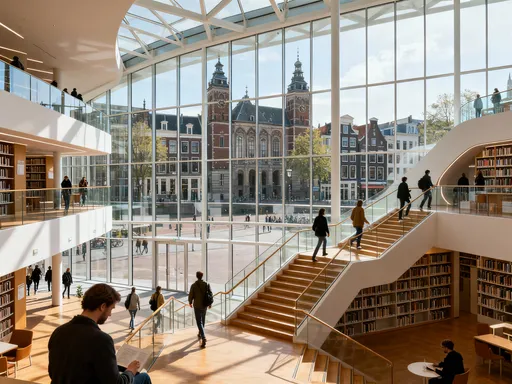
While the Gravity Bar requires admission to the Guinness Storehouse, other rooftop opportunities are more accessible. The Clarence Hotel, co-owned by Bono and The Edge of U2, features a rooftop terrace with views of the Liffey and Temple Bar. Though access may be limited to guests or restaurant patrons, nearby public spaces like Crow Street or Essex Street offer upward angles that capture the hotel’s distinctive silhouette. For free alternatives, the upper floors of the Dublin City Library on Pearse Street have reading rooms with large windows facing the river and city center—ideal for quiet observation and discreet photography.
Another lesser-known spot is the bell tower of St. Audoen’s Church, the city’s only remaining medieval parish church. While not always open to the public, special tours occasionally allow access to elevated viewpoints with historic charm. Churchyards such as St. Michan’s or St. Werburgh’s also provide quiet, elevated ground where one can compose wide shots without crowds. These locations, often shaded by trees and surrounded by gravestones, offer a more contemplative mood—perfect for blue hour shots when the city lights begin to twinkle.
Timing is crucial for rooftop photography. Golden hour—shortly after sunrise or before sunset—bathes the city in warm, diffused light, minimizing harsh contrasts. Blue hour, the period just after sunset when the sky turns deep indigo, enhances the glow of streetlights and windows, creating a magical atmosphere. Whether shooting from a paid venue or a quiet public corner, the goal remains the same: to capture Dublin not just as a map, but as a living, breathing entity shaped by light, history, and human presence.
Hidden Hilltops and Outer Vistas: Phoenix Park and Killiney Beach
For panoramic views beyond the city center, Dublin’s outskirts offer breathtaking escapes that combine natural beauty with sweeping vistas. Phoenix Park, one of the largest enclosed urban parks in Europe, spans over 1,700 acres and is home to herds of wild deer, formal gardens, and the official residence of the President of Ireland. From the Wellington Monument—a 62-meter obelisk honoring the Duke of Wellington—the surrounding landscape unfolds in all directions. On clear days, the skyline of Dublin, the curve of the bay, and the distant mountains are visible, making it a prime location for wide-angle photography.
The park’s open spaces and tree-lined avenues provide a sense of solitude rare in a capital city. Early risers may capture mist rising from the grass, deer grazing in the dawn light, or cyclists moving silently along the paths. The Victorian Gardens, with their fountains and floral displays, offer structured beauty, while the ruins of St. Mary’s Abbey add historical depth. Unlike more crowded attractions, Phoenix Park invites slow exploration—each bend in the road revealing a new composition, each season altering the mood.
Further afield, Killiney Hill offers one of Dublin’s most rewarding viewpoints. Reached by a short DART train ride and a 15-minute walk, the hill rises above the coastal town of Killiney, culminating in a stone tower and a viewing platform. From here, the Irish Sea stretches to the horizon, dotted with islands and framed by cliffs. On the opposite side, the city sprawls inland, its rooftops fading into the haze. The contrast between sea and city, nature and urban life, is striking. The walking trail up the hill—lined with rhododendrons and stone steps—is itself photogenic, especially in spring when the flowers bloom in vibrant purples and reds.
Other hidden spots include Prospect Square in Drumcondra, where a quiet residential street opens to a sweeping northern view of the city, and Three Rock Mountain in the Dublin Mountains, accessible by car or bus, which offers a high-altitude panorama at sunset. These locations, less frequented by tourists, provide both visual reward and personal reflection. They remind us that Dublin’s magic extends far beyond its postcard sights—that true discovery happens when we venture slightly off the path, camera in hand, heart open to wonder.
Dublin’s magic lies not just in its famous sites, but in the quiet frames between them—the way morning fog curls over the Liffey, or how sunlight hits a Georgian doorframe just right. These viewing experiences shape a deeper connection with the city, turning casual visits into lasting visual stories. When you look closely, Dublin doesn’t just invite your gaze—it rewards it. From the grandeur of its rooftops to the intimacy of its alleyways, every corner holds a composition waiting to be seen. Whether you’re drawn to history, nature, or the rhythm of daily life, Dublin offers a visual language all its own. Pick up your camera, step outside, and let the city speak through your lens.