You Won’t Believe These Hidden Natural Art Spots in Lucknow
You know what I didn’t expect? Finding breathtaking natural art tucked into the quiet corners of Lucknow. Forget only palaces and history—this city whispers creativity through its gardens, riverbanks, and leaf-covered lanes. I stumbled upon serene spots where nature and local artistry blend seamlessly. Think vibrant murals hugging ancient trees or lotus ponds framed like living paintings. This is a side of Lucknow you won’t find in guidebooks—calm, colorful, and completely real.
The Art of Nature in an Urban Oasis
Lucknow, often celebrated for its Nawabi legacy and culinary richness, quietly nurtures another treasure: its harmonious fusion of nature and artistic expression. Beyond the grandeur of imambaras and bustling bazaars, the city unfolds into green sanctuaries where art isn’t confined to galleries but blooms in soil, climbs on walls, and dances along pathways. These spaces are not merely parks or gardens—they are curated experiences where heritage, horticulture, and handcrafted beauty converge. The city’s cultural landscape has long valued balance, and this is evident in how public green spaces are designed not just for leisure, but as living canvases that reflect both historical aesthetics and contemporary creativity.
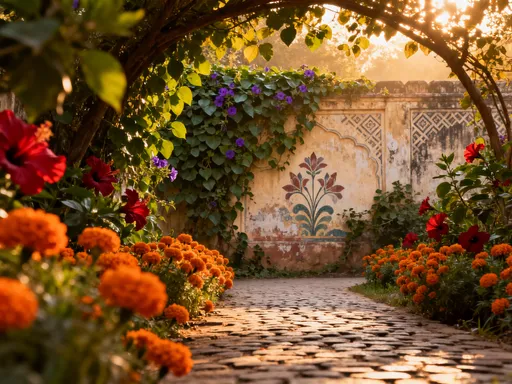
Rooted in Mughal garden traditions, many of Lucknow’s green zones feature symmetrical layouts, flowing water elements, and shaded walkways lined with fragrant blossoms. Yet, they are far from static relics. Local artists and municipal planners have increasingly collaborated to infuse these areas with subtle artistic interventions—floral mosaics, painted stone markers, and tree-mounted installations that enhance rather than overpower the natural setting. This integration ensures that visitors don’t just pass through these spaces, but pause, observe, and connect. It’s a form of urban poetry, where every archway frames a scene and every path invites contemplation.
What makes these oases truly special is their accessibility. Unlike exclusive art institutions, these natural galleries welcome everyone—children chasing butterflies, elders strolling at dusk, students sketching under canopies. The art here is democratic, embedded in daily life. Whether it’s a hand-painted sign guiding visitors to a rose arbor or a mosaic bench shaped like a lotus leaf, the details reflect a deep respect for both environment and craftsmanship. In a rapidly urbanizing India, Lucknow’s approach offers a model of how cities can preserve beauty without sacrificing authenticity.
Nishat Bagh: Where Design Meets the Earth
Among Lucknow’s most cherished green retreats, Nishat Bagh stands as a testament to intentional design and seasonal artistry. Though smaller than some of the city’s more famous gardens, its charm lies in precision—every hedge trimmed to perfection, every water channel aligned with the afternoon sun, and every flowerbed arranged to create a sense of rhythm. Originally inspired by Mughal charbagh layouts, the garden has evolved into a dynamic space where nature is not just preserved but celebrated through creative expression. During festivals like Phool Walon Ki Sair, gardeners and artists unite to craft elaborate floral tapestries, turning the central lawn into a temporary masterpiece of marigolds, roses, and chrysanthemums.
Visitors to Nishat Bagh often remark on its tranquility, a rare quality in any Indian city. The garden’s layout encourages slow movement—curved pathways invite wandering, while shaded alcoves offer places to sit and absorb the surroundings. In spring, the air carries the sweet scent of blooming kachnar, and in winter, the ground is dusted with fallen petals from the palash trees. Seasonal changes are not seen as disruptions but as opportunities for renewal and artistic reinterpretation. Local schools and art colleges frequently organize sketching sessions here, teaching students to observe how light filters through leaves or how color shifts with the time of day.
For those planning a visit, early morning is ideal. Between 6:30 and 8:00 a.m., the garden is at its most serene, with soft light illuminating dew-covered petals and the occasional bird call breaking the silence. Photography enthusiasts will appreciate the play of shadows and reflections in the central fountain, while families enjoy the open lawns for quiet picnics or morning yoga. The caretakers, many of whom have worked here for decades, take pride in maintaining the garden’s elegance and are often happy to share stories about its evolution. Their knowledge adds a human layer to the experience, reminding visitors that beauty is not accidental—it is cultivated with care.
The Gomti Riverfront: A Canvas of Calm
Flowing gently through the heart of Lucknow, the Gomti River has long been a lifeline and a symbol of quiet resilience. In recent years, the riverfront has undergone thoughtful revitalization, transforming stretches of neglected banks into serene public spaces where nature and art coexist in harmony. Unlike grand waterfront developments in other cities, Lucknow’s approach has been gentle and inclusive—focusing not on spectacle, but on restoration and community engagement. The result is a linear gallery of subtle beauty, where painted murals depict local flora, handcrafted benches tell folk tales, and lotus-filled embankments bloom in seasonal rhythm.
One of the most striking features of the riverfront is its collection of community art panels. These are not commissioned from distant artists, but created by residents, students, and local craftspersons. Themes revolve around nature—migratory birds, riparian plants, and the changing moods of the river. Some panels use recycled materials, reinforcing a message of sustainability. Along the walking paths, small interventions—like stone markers engraved with poetry or bamboo wind chimes—add layers of sensory delight. These details don’t shout for attention; they reveal themselves slowly, rewarding those who walk with intention.
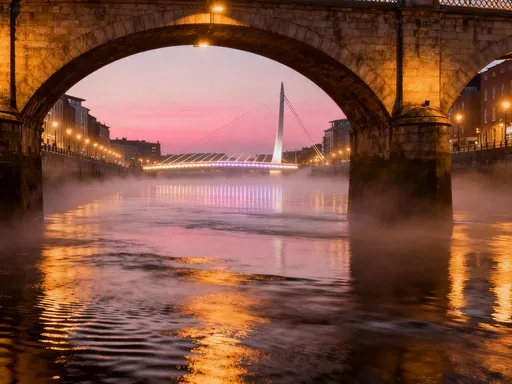
Sunrise is the most magical time to experience the Gomti. As the mist rises from the water, the city awakens softly—joggers pass by, tea vendors set up their stalls, and fishermen cast their nets in quiet routine. The light at this hour turns the river into a mirror, reflecting the sky and the silhouettes of trees. Photographers often gather near the Al Ambria Bridge, where the morning sun creates golden ripples across the surface. For those seeking stillness, the quieter stretches near Satkhanda offer solitude and the chance to simply sit and listen—to the water, the breeze, the distant call to prayer.
The riverfront also serves as an informal classroom. Environmental groups occasionally host clean-up drives and birdwatching walks, educating visitors about the importance of protecting urban waterways. Children learn to identify kingfishers and pond herons, while adults discover how native plants help prevent erosion. These activities reinforce the idea that art and ecology are not separate pursuits—they are intertwined. By caring for the river, Lucknow is not just improving infrastructure; it is nurturing a culture of mindfulness and stewardship.
Ambedkar Park: Unexpected Fusion of Nature and Craft
Spanning over 100 acres, Ambedkar Park is more than a recreational space—it is a living museum of public art nestled within a thriving ecosystem. Designed with both grandeur and intimacy in mind, the park blends sweeping lawns with intimate groves, each section offering a different kind of beauty. What sets it apart is the seamless integration of sculpture, mosaic work, and horticulture. Stone carvings depicting historical figures stand beneath banyan trees, their roots weaving into the same earth that nourishes flowering shrubs. Mosaic pathways, crafted from broken tiles and colored stone, wind through shaded areas, their patterns echoing traditional Lucknowi embroidery.
The park’s design philosophy is clear: art should feel like a natural extension of the environment, not an imposition. Sculptures are placed where they complement the landscape—a bronze figure reading under a neem tree, a child’s handprint embedded in a garden wall, a musical fountain that activates with the rhythm of the breeze. These elements invite interaction without demanding attention. Families often spend entire afternoons here, moving from one discovery to the next—climbing gently sloped hills, feeding fish in the koi ponds, or simply lying on the grass beneath the shade of peepal trees.
Artists, too, find inspiration in Ambedkar Park. On weekends, it’s common to see painters setting up easels near the lotus lake, capturing the way light dances on the water. Local craft fairs are occasionally held in the central pavilion, where artisans sell hand-block printed textiles, clay pottery, and bamboo crafts. These events reinforce the park’s role as a cultural hub, connecting people not just to nature, but to tradition and creativity. For children, the park offers more than play—it offers imagination. The combination of open space, visual stimuli, and sensory experiences fosters a sense of wonder that is increasingly rare in urban childhoods.
What makes Ambedkar Park truly inclusive is its accessibility. Well-maintained pathways accommodate strollers and wheelchairs, and signage is available in multiple languages. Drinking water stations and shaded seating ensure comfort, making it a welcoming destination for all ages. Unlike some manicured spaces that feel formal or restrictive, this park embraces life in all its messy, joyful forms. Laughter echoes across the fields, kites soar above the treetops, and every visit feels like a small celebration of community and beauty.
Hidden Courtyards and Heritage Gardens
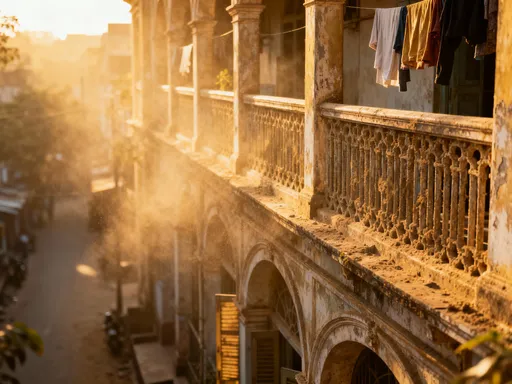
While public parks draw attention, Lucknow’s most intimate artistic expressions often lie within its hidden courtyards—semi-private spaces tucked behind centuries-old gates, where time moves differently. These are not tourist attractions, but living parts of the city’s fabric, where families have tended gardens for generations. In neighborhoods like Aminabad and Hazratganj, it’s possible to glimpse inner worlds where jasmine vines climb sandstone walls, and ancient peepal trees stretch their branches over flagstone courtyards. Some homes still feature jharokhas—ornate overhanging balconies—where women once watched processions, now used as quiet reading nooks draped in flowering creepers.
Among the most enchanting of these spaces is Dilkusha Garden, once a royal hunting lodge and now a peaceful retreat managed by the state tourism department. Though partially in ruins, its charm lies in its wildness—the way bougainvillea spills over crumbling arches, or how birds nest in the hollows of old mango trees. The garden is open to the public during certain festivals and cultural events, offering rare access to a landscape where decay and beauty coexist. Similarly, the grounds of La Martinière College, one of Lucknow’s oldest institutions, remain a well-kept secret. During alumni days or heritage walks, visitors can wander through its shaded alleys, admire the neoclassical architecture, and pause by fountains that have flowed for over 150 years.
These spaces remind us that art is not always curated or displayed—it can grow quietly, nurtured by routine and affection. A grandmother watering potted roses at dawn, a gardener pruning a hibiscus into delicate shape, a child drawing on a courtyard wall with chalk—these are acts of creation as valid as any masterpiece. The beauty of these courtyards lies in their authenticity. There are no entry fees, no crowds, no rules—just the slow, steady rhythm of life unfolding in harmony with nature. For the observant traveler, they offer a rare privilege: to witness beauty that isn’t performed, but lived.
Seasonal Rhythms: How Nature Paints Lucknow Differently
Lucknow’s natural art is not static—it shifts with the seasons, each month bringing a new palette and mood. Winter, from November to February, drapes the city in soft pinks and purples as jacaranda and palash trees bloom. The air is cool and crisp, ideal for long walks through parks where fallen petals carpet the ground like confetti. This is also the season of festivals, when floral decorations adorn temples, community halls, and even rickshaws, turning the entire city into a celebration of color.
Spring, from March to May, brings a golden transformation. Amaltas trees burst into cascades of bright yellow flowers, their branches glowing like lanterns against the blue sky. This is a favorite time for photographers and painters, who gather in gardens to capture the contrast between the vibrant blooms and the deep green foliage. Local art schools often host outdoor exhibitions during this period, displaying student work inspired by the season’s energy. Even the riverfront sees a change—lotus buds begin to rise from the water, and the first dragonflies hover above the surface.
The monsoon, from June to September, transforms Lucknow into a lush, emerald dreamscape. Rain-washed leaves glisten, and the scent of wet earth fills the air. While some visitors avoid this season, those who stay are rewarded with a different kind of beauty—the way water droplets hang from banana leaves, the sudden appearance of wild mushrooms, the chorus of frogs at dusk. Parks take on a wilder, more romantic character, and the city feels softer, quieter. Autumn, though brief, brings a gentle return to balance—cooler temperatures, clear skies, and a sense of renewal. It is the perfect time to rediscover the city’s green spaces with fresh eyes.
These seasonal shifts are not just visual—they are cultural. Each change inspires local crafts, cuisine, and celebrations. The arrival of spring is marked by kite festivals and folk music in the parks, while monsoon evenings often feature storytelling sessions under covered pavilions. By aligning visits with these rhythms, travelers gain not just scenic beauty, but deeper cultural insight. Lucknow reveals itself gradually, like a painting that changes with the light.
How to Experience Lucknow’s Natural Art Like a Local
To truly appreciate Lucknow’s hidden artistic treasures, one must slow down. Start with the right footwear—comfortable walking shoes are essential, as many of the best experiences unfold on foot. Mornings are ideal, especially between October and March, when the air is cool and the light is soft. Arrive at parks by 7 a.m. to witness the city waking up—gardeners at work, elders practicing tai chi, children heading to school with flower-scented notebooks in hand.
Respect is key. These spaces are beloved by locals, so maintain quiet, avoid littering, and refrain from touching or climbing on installations. Photography is welcome, but always ask before capturing people, especially in intimate spaces like courtyards. Use natural light whenever possible—golden hour, just after sunrise or before sunset, transforms ordinary scenes into extraordinary ones. A simple bench, a patch of moss, a painted wall—each becomes a subject worthy of attention.
To enrich the experience, combine visits with local rituals. Stop by a roadside chai stall after a morning walk—sweet, milky tea served in clay cups adds warmth and authenticity. Browse nearby book markets or craft bazaars, where you might find hand-painted postcards or embroidered bookmarks inspired by the city’s flora. Engage with caretakers and residents; many are happy to share stories if approached with kindness. These conversations often lead to unexpected discoveries—like a hidden garden behind a school, or a family that opens their courtyard during festivals.
Eco-friendly behavior enhances the experience for everyone. Carry a reusable water bottle, avoid plastic, and support local vendors who use sustainable practices. Remember, these spaces thrive because of community care. By visiting mindfully, you become part of that care, not just an observer. Lucknow’s natural art is not about grand gestures—it’s about small, sustained acts of love for place and planet.
Conclusion
Lucknow’s natural areas aren’t just green lungs—they’re silent galleries where earth and artistry meet. By wandering mindfully, you don’t just see the city—you feel its rhythm. This is travel that feeds the soul, one leaf, one mural, one quiet moment at a time.