You Gotta Drive to These Insane Shopping Spots in Busan
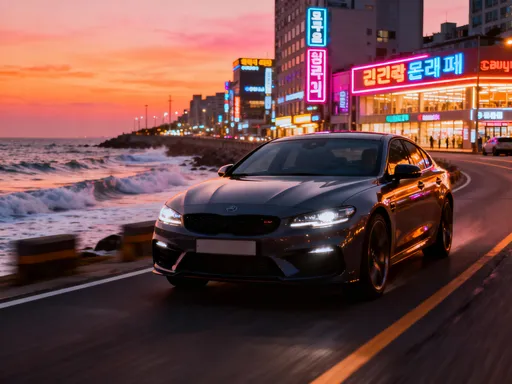
Driving through Busan isn’t just about getting from point A to B—it’s part of the adventure. With the open road and your playlist blasting, you’ll discover shopping spots most tourists miss. I hit the streets with wheels and found places where local life pulses through markets, malls, and hidden lanes. From coastal drives to neon-lit districts, each stop was more exciting than the last. This is shopping like you’ve never experienced it—spontaneous, authentic, and totally free.
Why Self-Driving in Busan Elevates Your Shopping Experience
Exploring Busan by car transforms the way you interact with the city. Public transportation in Busan is efficient, but it often routes travelers through predictable paths, missing the quieter, more personal corners where locals shop and live. When you drive, you gain the freedom to explore at your own pace, linger longer at favorite spots, and make spontaneous detours when something catches your eye. For families and small groups, especially those with luggage or shopping bags, having a vehicle eliminates the hassle of carrying purchases across subway platforms or waiting for buses in the rain.
One of the greatest advantages of self-driving is access. Many of Busan’s most vibrant shopping areas are located just outside the main tourist corridors—places that are difficult to reach without a car. Deokcheon Market, for instance, is a regional favorite known for its affordable clothing and handmade accessories, but it's not well connected by subway. By car, it’s only a 20-minute drive from Haeundae, and parking is readily available. Similarly, the coastal road leading to Amnam Park offers scenic pull-offs where pop-up craft stalls appear on weekends—accessible only to those with wheels.
Driving also allows for strategic timing. Early risers can arrive at Jagalchi Market before the crowds, park nearby, and enjoy the energy of vendors setting up their stalls. Night owls can explore Gukje Market’s evening transformation, when neon signs flicker on and street food vendors fill the air with savory scents. Without being bound to train schedules or bus routes, you control the rhythm of your day. This flexibility is especially valuable for women in the 30–55 age range who may be traveling with children or elderly relatives and need the comfort of moving on their own terms.
Moreover, modern rental services in Busan make driving accessible and stress-free. International driving permits are accepted, and rental agencies at Gimhae International Airport offer English-speaking support and GPS systems with updated maps. Many vehicles come equipped with parking sensors and rearview cameras, which help navigate narrow streets and multi-level parking structures. With clear road signs and well-maintained highways connecting major districts, even first-time drivers in Korea can feel confident behind the wheel. The combination of convenience, access, and autonomy makes self-driving not just a practical choice, but a deeply enriching way to experience Busan’s shopping culture.
Jagalchi Market: Park and Dive into Korea’s Largest Seafood Hub
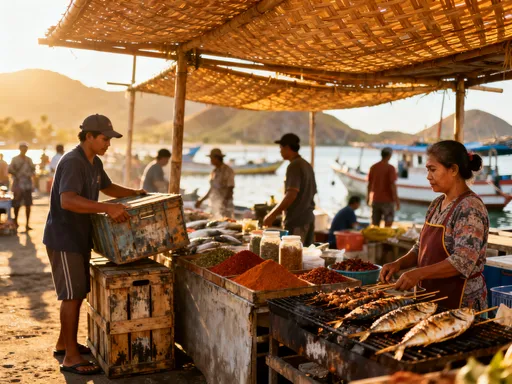
Jagalchi Market is more than a destination for seafood lovers—it’s a living postcard of Busan’s maritime soul. Located in the heart of the city near Nampo-dong, this sprawling marketplace has been a cornerstone of local commerce since the 1920s. While its reputation centers around fresh fish, octopus, and shellfish displayed on ice, the market has evolved into a full sensory experience where shopping, dining, and culture intersect. For drivers, the advantage lies in proximity and convenience: multiple public parking lots surround the area, including the Nampo Underground Parking Lot and the nearby Lotte Department Store garage, both within a five-minute walk.
As you step into the market, the air hums with energy—vendors call out prices, shoppers haggle playfully, and the scent of grilled squid and spicy seafood stew fills the alleys. Beyond the fish counters, rows of stalls offer dried seaweed, traditional ceramics, handmade kitchen tools, and coastal-themed souvenirs. These items make thoughtful gifts or mementos of your trip, and prices are often lower than in tourist-focused gift shops. The market is organized into sections: the first floor features live tanks and fresh catches, while upper levels house restaurants where you can have your seafood cooked on the spot—a unique dining experience that blends shopping with a meal.
For visitors seeking authenticity, Jagalchi delivers. Unlike sanitized food courts or chain stores, this is where Busan women—many of them seasoned shoppers—come to select dinner ingredients and chat with vendors they’ve known for years. Observing these interactions offers a glimpse into the rhythm of daily life. Families gather around shared tables, elders teach grandchildren how to pick the freshest clams, and laughter echoes between stalls. As a driver, you can arrive early in the morning to witness the market come alive, enjoy a warm bowl of miyeokguk (seaweed soup), then pack your cooler with vacuum-sealed delicacies to take home.
Navigating Jagalchi is straightforward. Signage in Korean and English guides visitors through the complex, and many vendors understand basic English phrases. If you're unsure about a product, pointing and smiling go a long way. For those concerned about parking during peak hours (typically 11 a.m. to 2 p.m. and 5 p.m. to 7 p.m.), arriving before 10 a.m. ensures easier access and calmer crowds. With your car waiting nearby, you can shop leisurely, return to your vehicle to store purchases, and continue exploring without strain. Jagalchi isn’t just a market—it’s a celebration of Busan’s coastal identity, best experienced with the freedom that driving provides.
Gukje Market & The Connected Shopping Arcades: A Walk Through History and Hustle
Just a short drive from Jagalchi, Gukje Market stretches across several city blocks like a living bazaar frozen in time. Born out of post-war necessity, this marketplace began as a black market in the 1950s and has since grown into one of Korea’s most iconic shopping districts. Today, it thrives as a labyrinth of covered arcades, open-air stalls, and tucked-away boutiques offering everything from retro hanbok fabrics to K-pop lightsticks. The market is seamlessly connected to nearby shopping zones like Choryang Ibagu and Shinsegae Duty Free, creating a vast retail network that rewards exploration.
Driving to Gukje Market is the smart choice for serious shoppers. While Nampo Station provides subway access, the real advantage of a car is the ability to park once and explore multiple connected areas without backtracking. The Nampo Lotte Department Store parking facility offers long-term rates and direct access to the market’s eastern entrance. From there, you can wander through the covered walkways that shield you from sun or rain, moving effortlessly between clothing vendors, accessory stalls, and snack counters selling hot tteokbokki and egg bread.
What sets Gukje apart is its mix of old and new. Grandmothers in aprons sell hand-knitted socks beside young entrepreneurs showcasing custom phone cases and viral TikTok fashion trends. You’ll find vintage leather gloves next to holographic makeup palettes, and traditional brassware beside anime merchandise. Prices are highly negotiable, and many vendors welcome friendly bargaining—especially if you’re buying in bulk. For women who enjoy the thrill of the hunt, this market is a treasure trove where $10 can yield a stylish jacket, a set of embroidered pouches, and a jar of homemade plum syrup.
The atmosphere is warm and communal. Vendors remember regulars, offer free samples of dried fruit, and sometimes invite visitors to sit and chat. Unlike impersonal malls, Gukje feels personal and alive. As you walk, you’ll hear the clatter of sewing machines from tailor shops, the sizzle of street food grills, and the occasional burst of music from a nearby radio. The market peaks in energy during weekends and holidays, but early weekday mornings offer a more relaxed pace, perfect for thoughtful browsing. With your car parked nearby, you can make multiple trips back to store bags or simply take breaks in the comfort of your vehicle before diving back in. Gukje Market isn’t just shopping—it’s a journey through Busan’s economic heart and cultural memory.
Shinsegae Centum City: The World’s Largest Department Store (Yes, Really)
No discussion of Busan shopping is complete without Shinsegae Centum City—a retail marvel that holds the Guinness World Record for the largest department store on Earth. Located in the bustling Haeundae district, this mega-mall spans over 2.8 million square feet and offers an unparalleled shopping experience. For drivers, the appeal is immediate: a massive underground parking facility with over 6,000 spaces, real-time availability signs, and direct indoor access via elevators and escalators. Once inside, you’re immersed in a world where luxury meets convenience, and every shopping desire seems within reach.
The store is organized into themed zones, each designed to feel like a destination in itself. The ground floor greets visitors with international luxury brands—Gucci, Prada, and Burberry—displayed in elegant boutiques with minimalist design. As you move upward, the atmosphere shifts: the children’s section features interactive play areas and designer kids’ fashion, while the home goods floor showcases sleek Korean kitchenware, smart home devices, and seasonal décor. One of the most beloved areas is the food hall, known as the Sky Culinary Art Hall, where over 50 vendors serve everything from handmade dumplings to French pastries. It’s a paradise for food lovers and gift shoppers alike.
But Shinsegae is more than a mall—it’s a cultural experience. The iconic glass skybridge on the 13th floor connects two towers and offers panoramic views of Haeundae and the surrounding mountains. Visitors often pause here to take photos or simply breathe in the vista. The store also hosts seasonal exhibitions, from cherry blossom-themed installations in spring to winter light gardens, making every visit feel fresh. For families, there’s a cinema, a spa, and even a small indoor garden where children can run safely while parents relax.
To make the most of your visit, timing is key. Weekday mornings are the least crowded, especially before 11 a.m. Parking is easiest during these hours, and checkout lines are shorter. If you’re interested in discounts, Shinsegae offers tax-free shopping for international tourists and seasonal sales events, particularly during Korean holidays like Chuseok and Lunar New Year. With your car waiting below, you can shop without limits, load up on luxury skincare, limited-edition snacks, or high-end kitchen tools, and drive away with everything neatly packed. Shinsegae Centum City isn’t just a shopping destination—it’s a symbol of modern Korea’s retail ambition, best experienced with the ease that driving provides.
Haeundae’s Luxury Strip: Designer Brands with Ocean Views
Haeundae Beach is one of Korea’s most famous coastal destinations, but beyond the sand and surf lies a sophisticated shopping corridor that caters to refined tastes. Along Donghoeng-ro and Marine City Boulevard, a string of high-end boutiques, lifestyle stores, and flagship outlets line the scenic road, offering designer fashion, premium beauty products, and elegant home décor. This is where Busan’s affluent residents and international visitors come to shop in style, and for drivers, the experience is seamless thanks to multiple multi-level parking towers and designated visitor zones.
The shopping here feels different—calm, curated, and infused with ocean air. Stores like Innisfree, Sulwhasoo, and Nature Republic offer luxury skincare rooted in Korean botanicals, often available in exclusive travel sizes or limited editions. Fashion boutiques feature both global brands and rising Korean designers, with window displays that change seasonally to reflect trends in color, fabric, and silhouette. Many shops have wide aisles, soft lighting, and staff who speak English or Japanese, making navigation comfortable for international visitors.
What makes Haeundae’s luxury strip special is its integration with the environment. You can step out of a boutique with a new silk scarf, cross the street, and walk barefoot on the warm sand. Cafés with ocean views serve iced lattes and sweet potato pastries, perfect for a mid-shopping break. The area is especially beautiful at sunset, when the sky turns pink and the beach glows under soft light. For mothers or women traveling with family, this blend of relaxation and retail offers a rare balance—shopping without stress, beauty without hurry.
Parking is convenient but can fill up during weekends and holidays. The Haeundae Tourist Information Center operates a real-time parking guide, and apps like KakaoMap show available spots in nearby garages. With your car secured, you can explore the strip on foot, moving from store to store without worrying about carrying bags. Some shops even offer complimentary wrapping and shipping services for large purchases, allowing you to send items directly to your hotel or home. Haeundae’s luxury shopping isn’t about excess—it’s about quality, atmosphere, and the pleasure of choosing something beautiful while surrounded by nature’s grandeur.
Seomyeon Underground Shopping & Urban Hub Energy
At the crossroads of Busan’s subway lines, Seomyeon is a dynamic urban center that pulses with youthful energy and commercial vitality. Beneath the busy streets lies an extensive network of underground shopping malls—Seomyeon Underground Shopping Center, Lotte Department Store’s lower levels, and connected passageways that stretch for blocks. This subterranean world is perfect for rainy days, summer heat, or quick shopping stops between appointments. For drivers, the benefit lies in the ability to drop off passengers or store luggage before descending into the maze of trendy boutiques and snack stalls.
The underground complex is a haven for Korean streetwear, beauty trends, and affordable fashion. Stores like Stylenanda, Mixxo, and SPao showcase the latest in K-fashion, with mannequins dressed in coordinated sets and bold accessories. Beauty shops overflow with sheet masks, cushion compacts, and viral lip tints, often available for trial before purchase. Accessories like hair clips, scarves, and minimalist jewelry are priced for impulse buys, making it easy to refresh your look without overspending. For food lovers, the basement food court offers quick bites—from kimchi pancakes to fish-shaped pastry filled with red bean paste—ideal for a fast, satisfying break.
Navigating Seomyeon’s underground system is easier with preparation. Maps are posted at every intersection, and color-coded zones help you orient yourself. However, the network can feel overwhelming without a starting point. The main entrance near Seomyeon Station’s Exit 7 leads directly into the busiest stretch, where flagship stores and promotional events are often held. For drivers, parking at the nearby Hyundai Department Store garage or the Seomyeon KT Building offers safe, monitored spaces with elevator access to the surface and underground levels.
One of the best strategies is to use your car as a base. Park, unload your bag, then dive into the underground maze with just your wallet and phone. After an hour or two of shopping, you can return to your vehicle to store purchases, adjust your outfit, or simply rest before continuing your day. This flexibility is especially valuable for women who value comfort and efficiency. Seomyeon isn’t just a shopping zone—it’s a microcosm of Busan’s urban rhythm, where tradition and trend collide in vibrant harmony.
Hidden Gems Only Drivers Can Reach: Local Favorites Beyond the Tourist Map
While the well-known markets and malls draw crowds, some of Busan’s most rewarding shopping experiences happen off the tourist trail—places accessible only by car. Deokcheon Shopping Street, located in the northern part of the city, is a prime example. This bustling commercial strip serves local families with affordable clothing, school supplies, and seasonal décor. Unlike downtown markets, Deokcheon feels relaxed and uncrowded, with wide sidewalks, shaded benches, and open-air stalls that sell handmade gloves, knitted scarves, and winter accessories during colder months.
Another hidden gem is Beomgye Underground Shopping Center, connected to Beomgye Station but often overlooked by visitors. With fewer tourists, prices are lower, and vendors are more open to friendly haggling. The area is known for its children’s clothing stores, offering high-quality, gently used items at a fraction of retail cost. For women who enjoy sustainable shopping or dressing kids on a budget, this is a quiet paradise. Parking is available at nearby public lots, and the drive from Seomyeon takes less than 15 minutes.
Then there’s Amnam Park’s weekend craft fair, where local artisans sell handmade journals, ceramic mugs, and natural soy candles. Accessible via a scenic coastal road, the fair is a favorite among Busan residents but rarely appears on tourist itineraries. Drivers can pull over, browse the stalls, enjoy a cup of roasted barley tea, and drive home with one-of-a-kind treasures. These quieter spots offer a different pace—one that values connection, craftsmanship, and the joy of discovery.
By venturing beyond the center, you experience a more intimate side of Busan. The people are welcoming, the prices are fair, and the atmosphere is free of pressure. With your car as your companion, you’re not limited by transit schedules or walking distance. You can explore at your own rhythm, stop for tea at a neighborhood café, and return with bags full of meaningful finds. These hidden gems aren’t just shopping destinations—they’re invitations to see Busan as locals do.
Conclusion
Self-driving through Busan transforms shopping from a chore into a journey of discovery. It opens doors to places most travelers never see and lets you move at your own rhythm. Whether you’re hunting designer labels or street-level souvenirs, having a car gives you access, comfort, and spontaneity. From the salty energy of Jagalchi Market to the sleek luxury of Shinsegae Centum City, each destination offers a unique window into Busan’s vibrant culture. The ability to park, explore, and return without strain makes the experience not just easier, but richer.
For women in their 30s to 50s—mothers, travelers, and independent explorers—driving adds a layer of empowerment. It means choosing your own path, setting your own pace, and embracing the unexpected. It means stopping at a seaside stall for hot fish cakes, parking near a quiet park to stretch your legs, or discovering a hidden market where the vendor remembers your name. These moments don’t happen on a schedule. They happen because you’re free to follow your curiosity.
Busan is a city of layers—coastal charm, urban energy, and deep-rooted tradition. To truly know it, you must move beyond the guidebooks and let the road guide you. Pack your sense of adventure, grab the keys, and let the open highway lead you to the real heart of Busan’s shopping scene. The journey, as much as the destination, is where the magic happens.